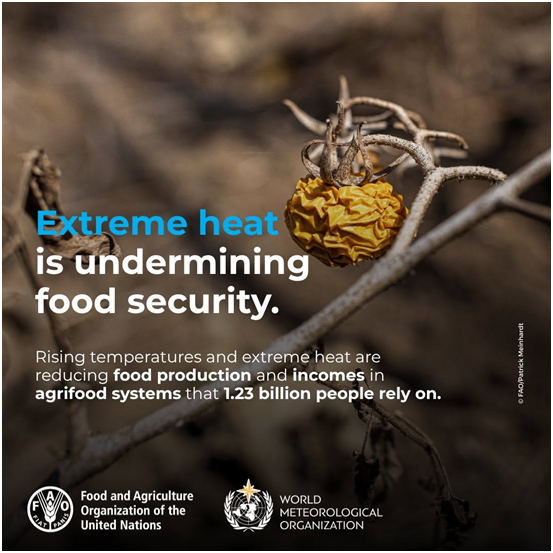
The joint report Extreme Heat and Agriculture, recently released by the Food and Agriculture Organization of the United Nations (FAO) and the World Meteorological Organization (WMO), delivers a clear warning: extreme heat is no longer simply an environmental concern. It is rapidly becoming one of the defining challenges for global agriculture and food security.
The implications extend far beyond farms. According to the report, more than 1.23 billion people worldwide depend on agriculture for their livelihoods. As temperatures continue to rise and heatwaves become more frequent, longer-lasting, and more intense, the risks posed by extreme heat increasingly threaten not only agricultural production but also rural incomes, food availability, and economic stability.
Agriculture Is Entering a New Heat Era
Global warming is no longer a future scenario. According to the report, the last eleven years have been the warmest on record. Human-induced warming has already reached approximately 1.22°C above pre-industrial levels, and there is now a 70% probability that average global temperatures during the period 2025–2029 will exceed the 1.5°C threshold.
For agriculture, this shift represents a fundamental change in operating conditions. Farming systems have historically developed under relatively stable climatic patterns, allowing producers to rely on predictable growing seasons, established production cycles, and accumulated local knowledge. As extreme heat becomes more common, that stability can no longer be taken for granted.
What was once considered an extreme weather event is gradually becoming part of the new climatic baseline. Agriculture is not merely experiencing more heatwaves—it is entering a new heat era in which elevated temperatures increasingly shape production outcomes.
Extreme Heat Is Challenging Agricultural Stability
The importance of extreme heat lies not only in its intensity, but also in its ability to undermine the stability of agricultural production. Agriculture depends on biological processes that operate within relatively narrow temperature ranges. Once these limits are exceeded, production systems begin to lose efficiency and resilience.
The report highlights that global maize yields decline by approximately 7.5% and wheat yields by around 6% for every 1°C increase in temperature. Future projections suggest that major crops could experience additional yield declines of up to 10% for every further degree of warming.
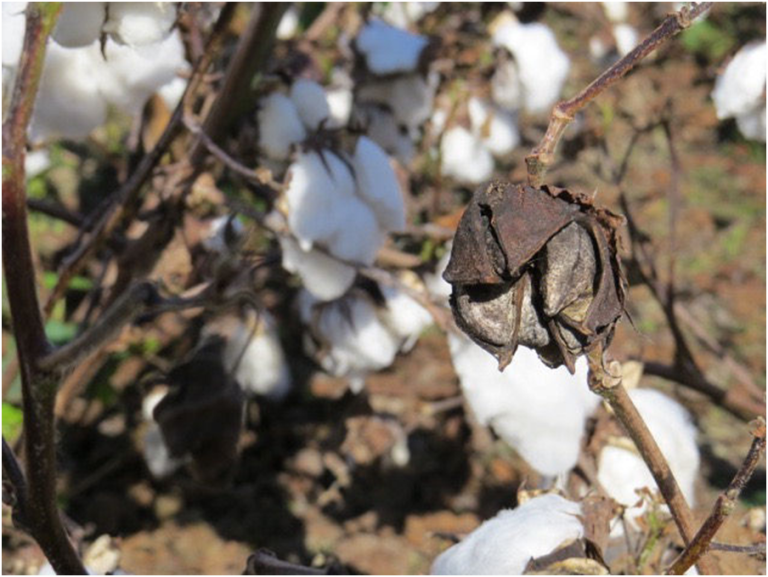
Heat stress can shorten growing seasons, disrupt flowering and pollination, reduce grain filling, and lower both yields and product quality. Even brief periods of extreme heat during sensitive growth stages can result in irreversible losses.
The same pattern can be observed across livestock and fisheries. Heat stress reduces feed intake, productivity, and reproductive performance in livestock. In marine ecosystems, rising ocean temperatures are forcing fish stocks to migrate toward cooler waters, while marine heatwaves have already contributed to repeated mass mortality events in aquatic systems.
The challenge therefore goes beyond lower yields. Extreme heat is weakening the predictability upon which agricultural planning, investment, and management depend. Stability—one of the most valuable assets in agriculture—is becoming increasingly difficult to maintain.
The Real Threat Is the Amplification of Risk
If declining stability is the first consequence of extreme heat, the amplification of risk may be the most dangerous.
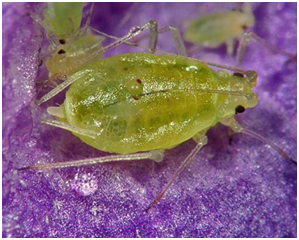
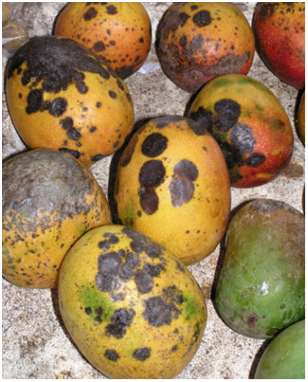
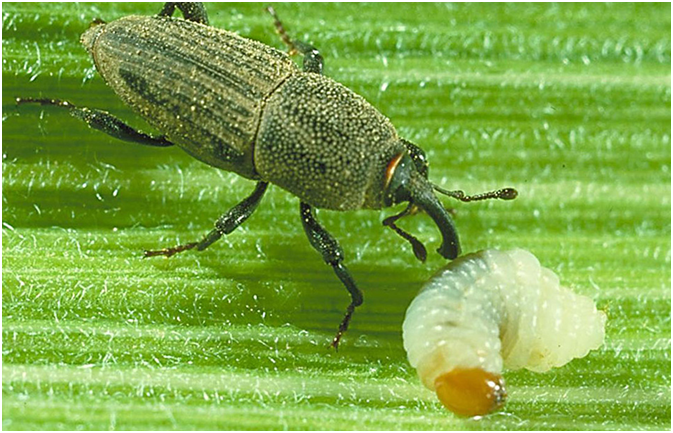
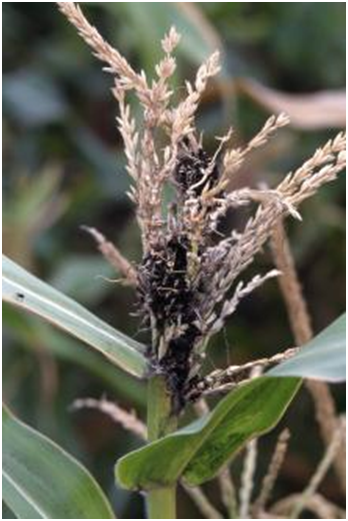
One of the report’s central findings is that extreme heat rarely acts in isolation. Instead, it often interacts with droughts, water shortages, wildfires, pests, and diseases, creating what researchers describe as compound risks.
A clear example is the relationship between heat and drought. Extreme heat accelerates soil moisture loss and increases evaporative demand, intensifying drought conditions. At the same time, dry soils reduce the land’s ability to dissipate heat through evaporation, allowing temperatures to rise even further. The result is a self-reinforcing cycle in which heat and drought amplify one another.
Research cited in the report shows that yield losses associated with compound heat and drought events can reach nearly 25%, compared with approximately 9% for heat stress alone. In other words, the combination of hazards can produce impacts almost three times greater than a single stressor.
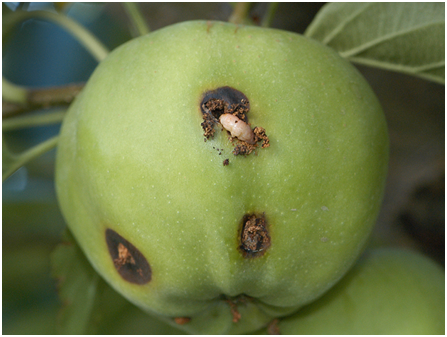
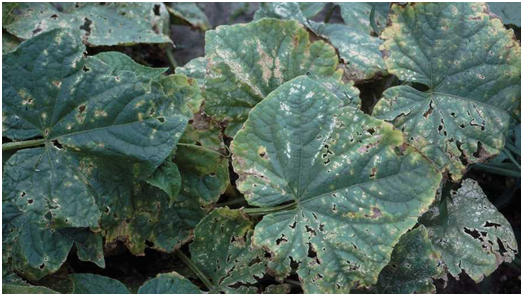
Similar interactions can be observed in pest outbreaks, disease pressure, and wildfire occurrence. Rising temperatures may create favorable conditions for certain pests and pathogens while increasing vegetation dryness and fire risk. These interconnected impacts can spread across multiple agricultural sectors simultaneously.
This shift is significant because agricultural risks are no longer increasing in a linear fashion. Instead, multiple climate-related hazards are becoming increasingly interconnected, making outcomes more difficult to predict and manage.
Resilience Is Becoming Agriculture’s Most Important Capability
As climate risks become more complex, the priorities of agricultural development are beginning to change.
For decades, agricultural progress was primarily measured by productivity growth. Higher yields, greater efficiency, and larger output volumes were considered the primary indicators of success. While productivity remains essential, the ability to withstand and recover from climate shocks is becoming equally important.
The report identifies a range of adaptation measures, including heat-tolerant crop varieties, improved irrigation systems, climate-informed farm management practices, enhanced livestock housing, and stronger early warning systems. Digital technologies and climate intelligence tools are also creating new opportunities to anticipate and respond to emerging risks.
However, adaptation should not be viewed simply as a collection of technical solutions. At its core, adaptation is about resilience—the capacity of agricultural systems to continue functioning under stress, absorb shocks, and recover from disruption.
The economic stakes are considerable. Under a high-emissions scenario, nearly half of the world’s cattle could be exposed to dangerous heat conditions by 2100. The report estimates that annual losses in cattle meat and milk production alone could approach USD 40 billion. By contrast, a low-emissions pathway could reduce these losses by nearly two-thirds.
In a future characterized by increasing uncertainty, resilience may become the defining factor that separates successful agricultural systems from vulnerable ones.
Looking Ahead
The message of the FAO–WMO report is ultimately clear: extreme heat is changing the rules of agriculture.
The challenge facing agriculture is no longer limited to producing more food. It is increasingly about maintaining reliable production under conditions that are hotter, more volatile, and more uncertain than those experienced in the past. As climate pressures intensify, the ability to manage risk and maintain stability will become as important as the ability to increase output.
In this new reality, resilience is no longer a supplementary objective. It is becoming a strategic necessity. The future of agriculture will depend not only on how much food can be produced, but also on how effectively agricultural systems can adapt to a changing climate and continue delivering food security in an era of extreme heat.
For governments, businesses, and agricultural stakeholders alike, the challenge is clear: the future of agriculture will be shaped not only by productivity, but by resilience.