Overview
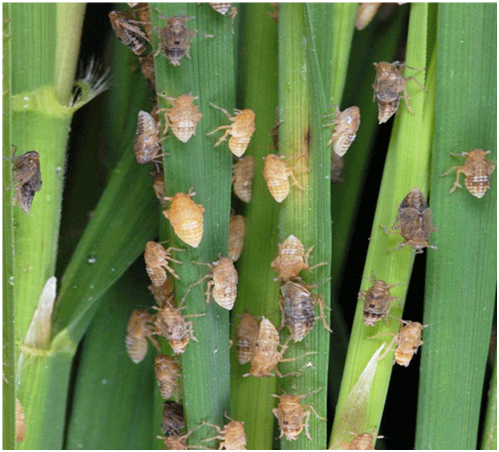
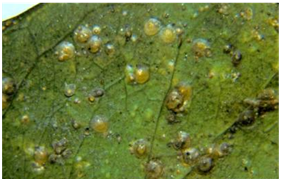
Scale insects are persistent sap-feeding pests in citrus production systems, primarily because many life stages are protected by wax layers or detachable covers. This physical protection reduces exposure to contact interventions and makes late, reactive measures less reliable.
In commercial citrus operations, scale risk is not only a yield concern but a consistency and quality management issue. Honeydew-producing species can contaminate fruit surfaces and promote sooty mold, while armored species may create visible blemishes that affect grading and packout efficiency. Even where tree vigor remains acceptable, fruit marketability, buyer confidence, and export compliance may be affected.
Globally, numerous scale species are associated with citrus; however, commercial management typically focuses on a smaller group of high-impact species that repeatedly drive outbreaks under favorable conditions.
Pest Profile
“Scale insects” refers to multiple species within the superfamily Coccoidea. From a commercial IPM perspective, the most important distinction is between armored scales (family Diaspididae) and soft scales (family Coccidae), as this division influences monitoring priorities, damage patterns, and intervention timing.
Armored scales develop beneath a protective cover and are commonly associated with fruit blemishes and twig infestations. Representative species in citrus systems include Aonidiella aurantii (red scale), Aonidiella citrina (yellow scale), and Unaspis citri (citrus snow scale).
Soft scales typically excrete honeydew, which serves as a substrate for sooty mold development. Relevant species include Coccus pseudomagnoliarum (citricola scale) and Saissetia oleae (black scale).
Across groups, the crawler stage represents the primary dispersal and most vulnerable period in the life cycle. After settlement, individuals insert mouthparts and produce protective coverings, significantly reducing susceptibility to many control measures. Effective management therefore depends on aligning monitoring systems with crawler emergence patterns.



Development Conditions/Risk Factors
Scale outbreaks are rarely random. They are generally associated with environmental conditions and system factors that favor survival, reproduction, or escape from natural control mechanisms.
Multiple and overlapping generations.
Depending on species and temperature, scales may complete several generations per year, with overlapping development stages. This creates extended or repeated windows of crawler emergence rather than a single intervention point.
Microclimate and canopy structure.
Dense canopy interiors, bark crevices, and shaded zones provide protected settlement sites. These areas may reduce spray penetration and can also affect natural enemy performance.
Honeydew-tending ants.
Ant activity can disrupt biological control by protecting honeydew-producing pests from parasitoids and predators. In commercial systems, ant management can therefore influence overall scale pressure.
Operational movement pathways.
Crawler stages are easily dispersed by wind, workers, equipment, and routine field operations. Internal orchard movement can contribute to localized spread if infestations are not detected early.
Resistance selection pressure.
Programs relying repeatedly on a single insecticide mode of action, particularly against protected stages, may increase resistance risk. Structured rotation planning and integration of non-chemical tactics are essential components of long-term efficacy preservation.
Symptoms / Impact on Commercial Production
Scale infestations may initially appear subtle, presenting as small raised structures on leaves, twigs, or fruit. In honeydew-producing species, surface stickiness and early sooty mold development may precede visible population build-up.
From a commercial standpoint, impact typically occurs through three pathways:
Quality downgrades.
Honeydew accumulation and subsequent sooty mold can interfere with fruit appearance and grading. Armored scale infestations may result in cosmetic defects that increase rejection or downgrade rates in markets with strict standards.
Yield and tree stress.
High densities can reduce tree vigor and potentially influence yield stability over time, particularly in unmanaged systems.
Phytosanitary and compliance exposure.
Certain scale species are subject to regulatory consideration in specific trade frameworks. Detection of live scales may trigger inspection delays, documentation requirements, or market access concerns. For importers and exporters, upstream orchard management therefore plays a role in supply chain predictability.
Prevention and Management (IPM)
Effective citrus scale management requires an integrated approach centered on monitoring, biological conservation, and resistance stewardship.
Monitoring: crawler-centric detection.
Because crawler stages represent the most susceptible period, monitoring systems should prioritize detection of crawler emergence rather than relying solely on adult presence. Visual scouting, magnification assessment, bark inspection methods, and species-specific tools such as pheromone traps (where applicable) may support timing decisions within a structured program.
Biological control conservation.
Natural enemies play a significant role in many citrus systems. Minimizing unnecessary disruption and managing factors such as dust or ant activity can support biological suppression.
Resistance management.
Rotation by mode of action, integration of cultural measures, and monitoring-based intervention timing reduce selection pressure and support long-term program sustainability.
The objective is not complete eradication, but economic suppression within commercially acceptable tolerance thresholds.
Management Options / Supportive Solutions
Management options should be evaluated as a portfolio, selected according to species profile, phenology, market requirements, and biological control status.
Cultural and Operational Measures
- Improving canopy structure to reduce protected settlement zones
- Managing dust levels where feasible
- Removing heavily infested plant material when operationally practical
- Addressing ant populations that interfere with natural enemies
These measures form the low-disruption foundation of many IPM systems.
Biological Considerations
Conservation biological control remains central in many citrus regions. In some production systems, augmentative releases of parasitoids targeting armored scales may be incorporated where commercially appropriate and locally available.
Chemical Control Considerations
In large-scale citrus production, chemical intervention is typically positioned as a targeted risk-management component within an IPM architecture.
Because mature scales are shielded beneath protective coverings, intervention timing aligned with crawler emergence or other identified vulnerable stages is generally more strategic than late-stage reactive applications.
Selection decisions should consider:
- Mode-of-action rotation compatibility
- Resistance stewardship principles
- Beneficial insect preservation
- Export residue requirements
- Local registration status and regulatory frameworks
For importers and commercial operators evaluating structured, rotation-aware programs, King Quenson provides a portfolio of crop protection products that may be considered as components of a broader management strategy, including:
King’s Scales Off, King’s Mace, King’s Armor, King’s Officer
Any integration of these products must be subject to local registration status, implemented strictly in accordance with approved label instructions, and aligned with applicable regulatory and market access requirements.
When used within a disciplined IPM structure rather than as stand-alone corrective tools, chemical options may contribute to maintaining fruit quality standards and reducing unexpected compliance exposure across commercial supply chains.
King Quenson Support Statement
King Quenson is positioned to support importers and large-scale agricultural operations in developing compliance-aligned IPM strategies tailored to local production and regulatory conditions. Our role is to provide portfolio options and technical insight that can be integrated into professionally managed pest control frameworks.
Disclaimer. This article is based on publicly available agricultural extension materials and peer‑reviewed literature. Recommendations should be adapted to local conditions and regulations, and any crop protection product use must follow the approved label and applicable regulatory requirements.