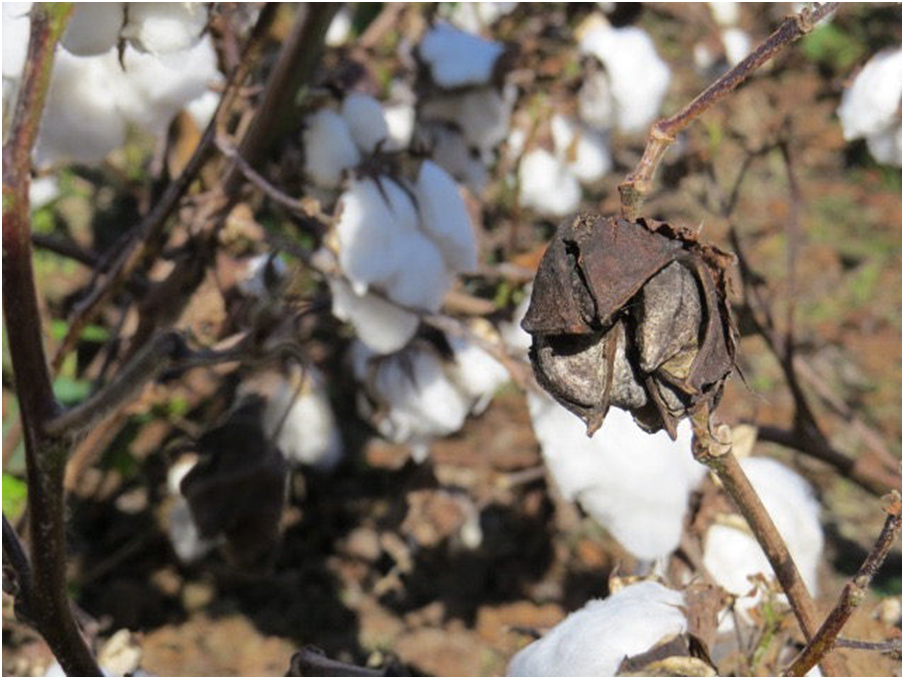
Risk Overview
In commercial cotton production systems, boll rot represents a complex and recurring disease risk that can directly affect both yield and fiber quality. Unlike single-pathogen diseases, boll rot is typically associated with a range of fungal and bacterial pathogens that infect cotton bolls under favorable environmental conditions.
Because boll development occurs during mid-to-late season stages, disease incidence at this phase can have a disproportionate impact on harvestable output. Infection may lead to boll decay, lint discoloration, and reduced fiber quality, thereby influencing both yield performance and market value.
From a production system perspective, boll rot should be regarded as a structural risk factor requiring integration into broader crop protection and risk management strategies rather than being treated as an isolated disease issue.
Disease Characteristics and High-Risk Conditions
Cotton boll rot is not caused by a single pathogen but rather by a complex of organisms, including species such as Fusarium spp., Colletotrichum spp., and bacterial agents, which can colonize developing bolls under suitable conditions.
Infection typically occurs when boll surfaces remain wet for extended periods or when physical damage creates entry points for pathogens. The disease is therefore closely linked to environmental conditions and crop canopy structure.
High-risk conditions may include:
- Extended periods of high humidity or frequent rainfall
- Dense crop canopies limiting air circulation
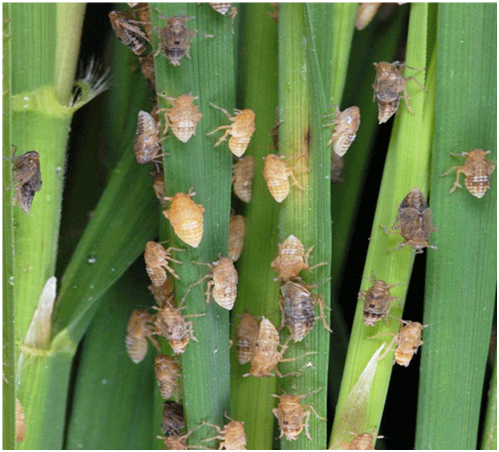
- Insect damage creating entry points for pathogens
- Late-season irrigation or moisture accumulation
- Fields with a history of disease pressure
These factors contribute to an environment where pathogens can establish and spread within the boll structure, increasing the likelihood of economic losses.
Impact on Commercial Cotton Production
The impact of boll rot extends beyond direct yield reduction. In commercial cotton production systems, disease pressure can influence both harvest efficiency and product quality.
Potential impacts may include:
- Reduction in harvestable boll number
- Fiber discoloration and quality degradation
- Increased contamination and reduced market grade
- Greater variability in production outcomes
- Elevated post-harvest handling challenges
In production systems supplying textile markets, consistency in fiber quality is a critical parameter. Boll rot-related variability can therefore affect supply reliability and downstream processing performance.
Integrated Management Approach (IPM)
Effective management of cotton boll rot is typically based on an Integrated Pest Management (IPM) framework that combines preventive, cultural, and monitoring strategies.
Cropping System Planning
Field history and crop rotation considerations may influence long-term disease pressure. Production systems that reduce the persistence of pathogens in the field can help lower baseline risk levels.
Cultural and Preventive Measures
Crop canopy management and practices that improve airflow may contribute to reducing humidity levels within the crop environment. Balanced nutrient management and crop vigor can also influence plant resilience.
Monitoring and Risk Assessment
Regular field observation during boll development stages supports early identification of disease risk. Monitoring environmental conditions such as humidity and rainfall patterns can provide additional insight into potential disease development.
Mechanical and Physical Considerations
Practices that reduce plant injury or minimize prolonged moisture exposure may contribute to lowering infection risk within the production system.
Chemical Control Considerations
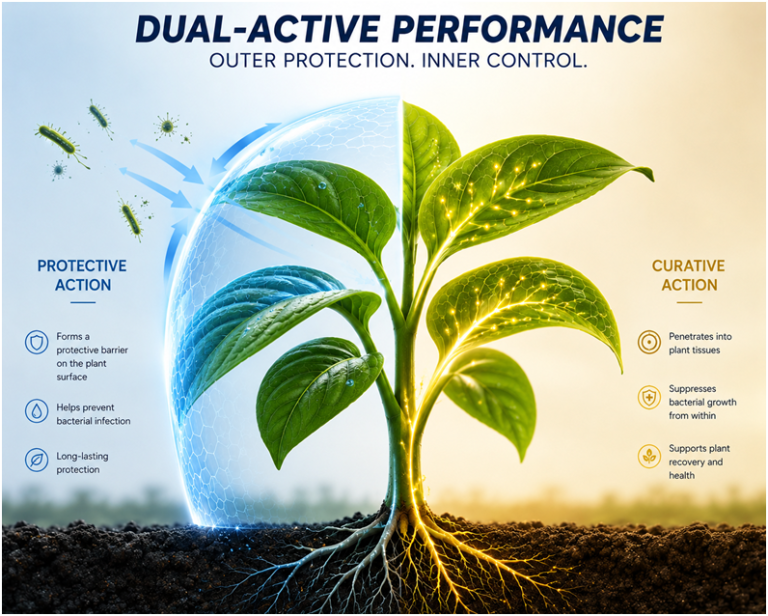
When disease pressure exceeds acceptable thresholds, fungicides may be evaluated as one component within an integrated boll rot management strategy.
In markets where they are registered and approved for use, products such as King’s Spring or King’s Warrior may be considered as potential components within broader disease management programs.
The selection and use of fungicides should always be based on local disease pressure, crop growth stage, and resistance management considerations, and must follow approved product labels and local regulatory requirements.
Production System Perspective
Within large and professionally managed cotton production systems, boll rot management plays a critical role in maintaining both yield performance and fiber quality stability.
Disease pressure at later growth stages introduces variability that can affect production predictability and operational efficiency. As a result, many production systems integrate disease management into structured crop protection planning frameworks.
IPM-based approaches that combine preventive practices, environmental monitoring, and targeted interventions contribute to improved consistency across production cycles and support long-term sustainability objectives.
How King Quenson Supports Integrated Crop Protection Strategies
King Quenson supports partners involved in commercial agricultural production by contributing crop protection solutions that can be integrated into locally adapted disease management frameworks.
Support focuses on aligning crop protection tools with broader IPM strategies while respecting local agronomic conditions, regulatory requirements, and resistance management considerations.
This approach contributes to the development of structured crop protection programs designed to support long-term agricultural productivity and sustainable crop management systems.
Disclaimer
This article is based on publicly available agricultural extension materials and general integrated plant protection practices. Management considerations should be adapted to local production conditions and applicable regulations. Always consult local experts and follow approved product labels and regulatory guidelines relevant to your region.