Cabbage
Cabbage (Brassica oleracea var. capitata) is a high-volume vegetable crop widely cultivated for fresh markets, processing industries, and food supply chains, valued for its yield stability, storage performance, and nutritional density. Its productivity and head quality are primarily governed by soil nitrogen availability, calcium supply, root-zone aeration, and balanced vegetative growth, which directly influence leaf expansion, head compactness, firmness, and post-harvest shelf life.
However, cabbage production faces increasing agronomic constraints. Soil compaction, nutrient leaching, and calcium deficiency frequently lead to uneven head formation, tip burn, and reduced marketable yield. In addition, intensive nitrogen-driven vegetative growth, combined with fluctuating temperature and moisture conditions, can disrupt biomass partitioning and compromise head density. Soil-borne diseases and continuous cropping stress further weaken root activity and nutrient uptake efficiency, increasing production volatility and cost pressure.
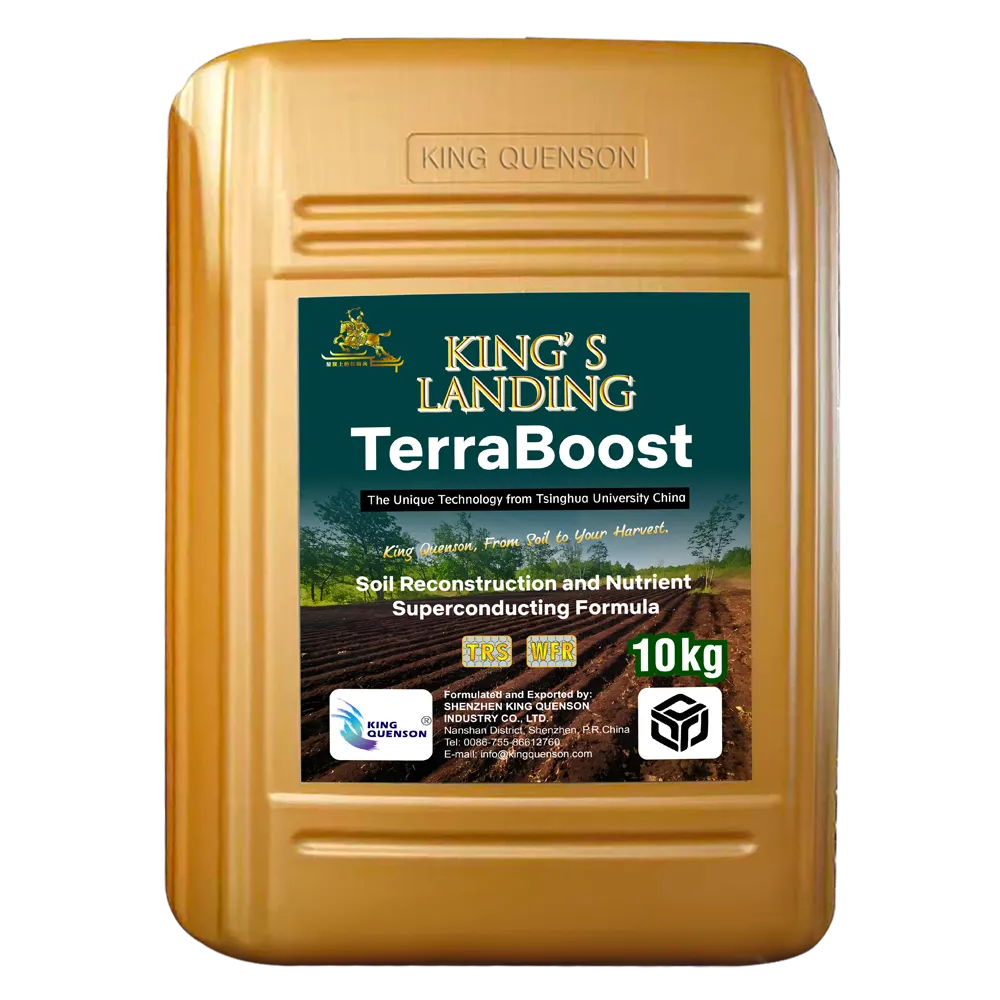
By implementing precision nutrition management and root-zone conditioning, cabbage growers can optimize nutrient uptake dynamics, regulate vegetative vigor, and improve head uniformity. In this context, King’s Landing solutions such as TerraBoost, RootRevive, and NutriFe enhance soil structure, root absorption efficiency, and calcium–nitrogen balance, supporting more consistent head formation, higher marketable yield, and improved crop resilience across growing cycles.
Related News
July 1, 2026
June 30, 2026