Risk Overview: A Structural Threat to Yield and Fruit Quality
For importers supplying large-scale tomato growers and for commercial farming operations, early blight represents a structural and recurring production risk. In tomato systems, early blight is a common foliar disease caused primarily by the fungus Alternaria solani, which can affect leaves, stems, and fruit throughout the crop cycle.
Because tomato plants are maintained over extended fruiting periods, disease pressure during both vegetative and reproductive stages may contribute to yield instability and variability in fruit quality. From a commercial perspective, early blight management is therefore best understood as a long-term risk management component within a structured IPM framework rather than a single-season intervention.
Disease Characteristics and High-Risk Conditions
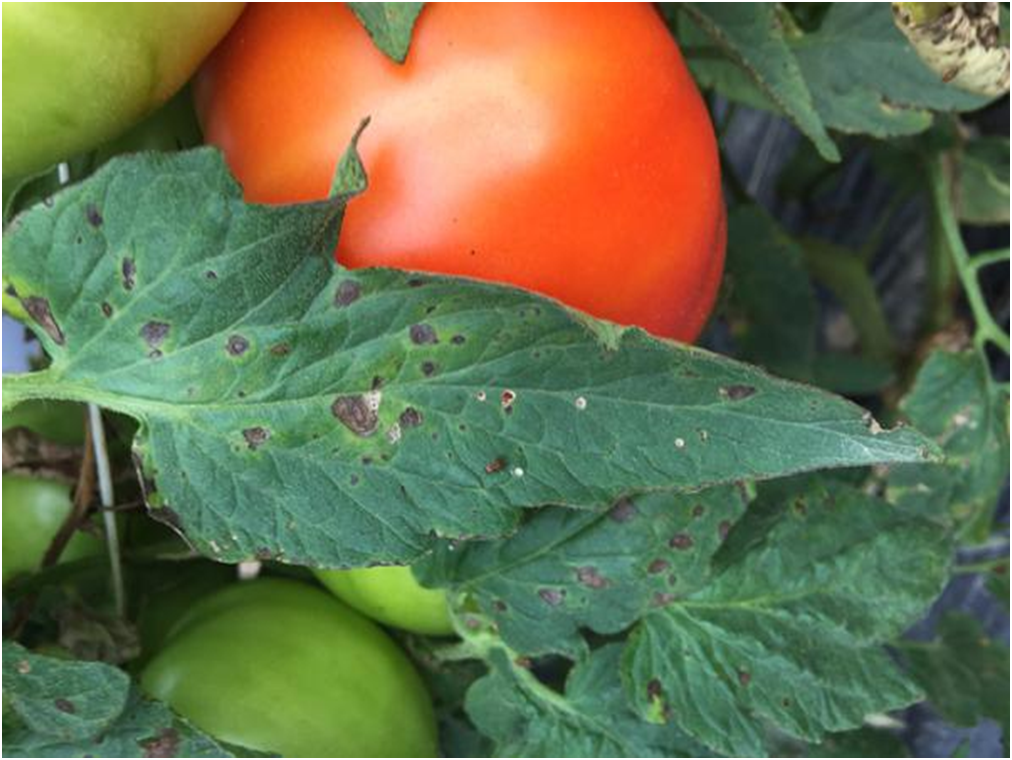
Early blight symptoms generally begin as small, dark brown lesions on older leaves, which may expand into concentric ring patterns under conducive conditions. As disease progresses, defoliation can reduce photosynthetic capacity and increase fruit exposure, which may elevate the risk of sunscald and quality deterioration.
Conditions commonly associated with higher disease pressure include:
- Extended periods of leaf wetness from rainfall, dew, or irrigation systems
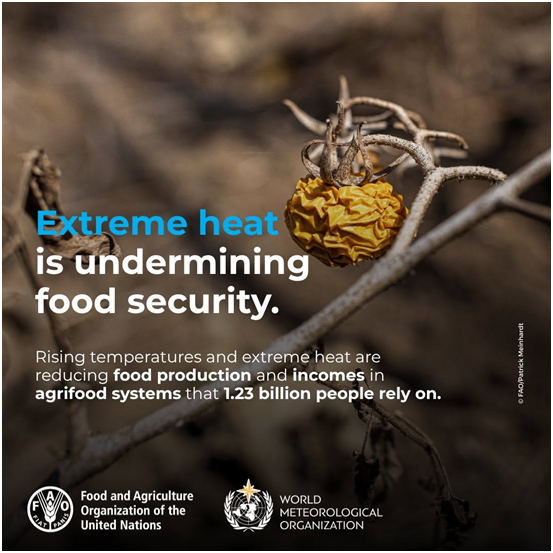
- Warm temperature ranges (24-29°C / 75-85°F) combined with elevated humidity
- Dense canopy structures that reduce airflow and slow leaf drying
- Continuous production of Solanaceous crops in the same field system
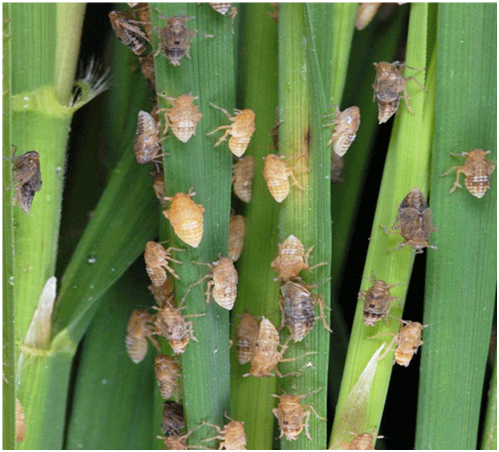
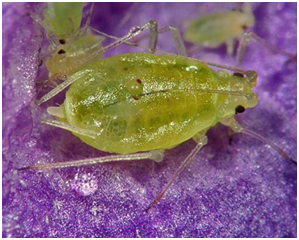
- Plant stress conditions related to nutrition imbalance or concurrent pest pressure
These factors may collectively increase the likelihood of disease development and accelerate epidemic progression under favorable environmental conditions.
Impact on Commercial Tomato Production
The impact of early blight extends beyond direct yield reduction. In commercial production systems, unmanaged disease pressure may contribute to:
- Reduced photosynthetic capacity due to progressive leaf loss
- Increased exposure of fruit to sunscald, affecting marketable quality
- Variability in fruit size, uniformity, and grading outcomes
- Irregular harvest patterns and reduced production predictability
- Additional post-harvest sorting and handling requirements
For growers supplying fresh markets or processing industries, such variability may influence contract stability and supply chain consistency. For importers, it highlights the importance of sourcing from production systems with structured, preventive disease management approaches.
Integrated Management Approach (IPM)
A resilient early blight management strategy is typically based on a multi-layered IPM framework focused on risk reduction, system resilience, and production stability.
Planning and Cropping System Design
Crop rotation planning and field history evaluation are important considerations in long-term disease risk management. Reduced continuity of Solanaceous crops within the same production area may contribute to lower inoculum pressure over time.
Cultural and Preventive Measures
Agronomic practices that may support faster canopy drying and improved airflow can contribute to reduced disease-conducive conditions. These may include appropriate plant spacing, staking or trellising systems, selective removal of lower foliage, and the use of drip irrigation systems instead of overhead water application.
Balanced nutrient management, particularly adequate nitrogen availability, is also an important factor in supporting overall plant vigor and resilience.
Monitoring and Risk Assessment
Regular field observation across all growth stages supports early awareness of disease development. Early symptoms are often first observed on lower leaves following warm and humid weather periods, and timely recognition can support more informed risk-based management decisions.
Mechanical and Physical Considerations
Removal and destruction of infected plant residues after harvest may contribute to reducing overwintering inoculum levels. In certain production systems, mulching practices may also help reduce soil splash, which can limit pathogen movement to lower canopy levels.
Chemical Control as Part of IPM
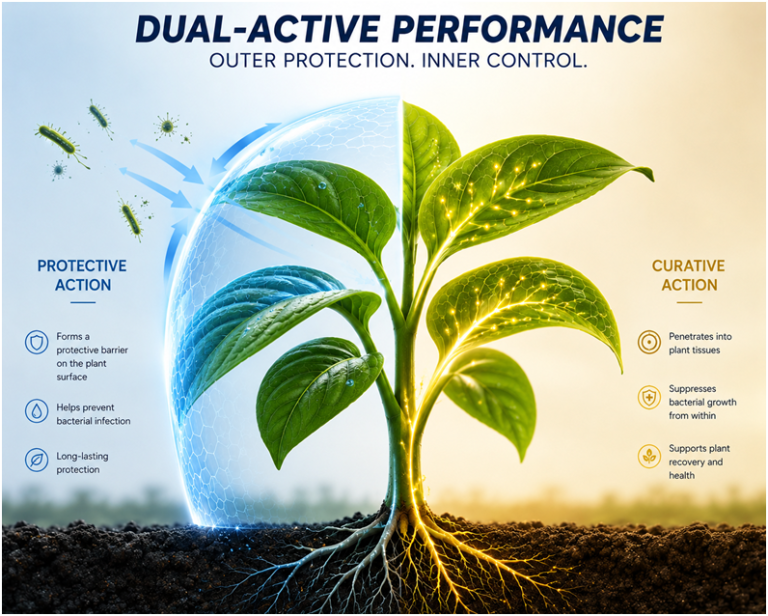
When disease pressure reaches levels where additional intervention is justified, fungicide tools may be considered as part of an integrated management strategy, subject to local registration status and regulatory compliance.
In such contexts, product selection should be guided by disease pressure, crop growth stage, and resistance management principles. In markets where they are registered and approved for use, products such as King’s Soldier or King’s Shield may be evaluated as potential components within broader IPM programs.
Chemical interventions are most effective when integrated with cultural, monitoring, and preventive measures, and should always comply with locally approved label instructions and regulatory frameworks.
Perspective for Importers and Large-Scale Growers
At commercial scale, early blight management is closely linked to production stability, regulatory alignment, and long-term system resilience.
Importers and large-scale growers increasingly prioritize supply systems that demonstrate:
- Structured IPM-based disease risk management programs
- Balanced integration of cultural, biological, and chemical tools
- Alignment with regional regulatory requirements and market access standards
Such systems may help reduce production variability and support more predictable supply chain performance.
How King Quenson Supports Your Strategy
King Quenson is well positioned to support importers and large-scale agricultural operations in developing tailored, compliant integrated disease management strategies for tomato production. Support is grounded in local regulatory requirements and focuses on the structured integration of crop protection tools within IPM-based production systems.
Disclaimer
This article is based on publicly available agricultural extension materials and general integrated plant protection practices. Management recommendations should be adapted to local conditions and regulations. Specific product use must always comply with locally approved labels and registration status.