Risk Overview: A Structural Threat to Yield Stability
For commercial potato production systems operating at scale and across structured supply chains, weed pressure represents a structural and recurring production risk. In potato systems, weeds are not only competitors for water, nutrients, and light, but also a factor that can compromise crop establishment, harvest efficiency, and long-term field productivity.
Because potatoes exhibit slow early canopy development, unmanaged early-season weed pressure can translate directly into yield instability and quality variability. From a commercial perspective, effective weed management is therefore a strategic risk management issue rather than a single-season agronomic task, requiring integration into a disciplined IPM framework.

Weed Characteristics and High-Risk Conditions
Potato fields may be affected by a diverse spectrum of annual and perennial weed species, each with distinct emergence patterns and competitive dynamics. Rather than individual species identification, decision-makers should focus on weed pressure timing, density, and persistence within the production system.
High-risk conditions typically include:
Fields with limited crop rotation diversity
Warm soil temperatures promoting rapid weed emergence
Adequate soil moisture during early crop development
Repeated reliance on similar control tools, increasing resistance risk
These factors create scenarios where early-season weed interference can have disproportionate economic consequences.
Impact on Commercial Potato Production
The impact of weed pressure extends beyond direct yield loss. In commercial potato production systems, unmanaged weeds can lead to:
Reduced tuber size uniformity and marketable yield
Increased difficulty in mechanical operations and harvest
Elevated risk of pests and diseases using weeds as alternative hosts
Long-term escalation of management costs due to weed seed bank accumulation
For growers supplying fresh markets or processing channels, this variability directly affects contract fulfillment and supply reliability. For importers, it highlights the importance of sourcing from production systems with robust, preventative weed management strategies.
Integrated Management Approach (IPM)
A resilient weed management program in potatoes is built on a multi-layered IPM strategy that prioritizes prevention and system resilience.
Planning and Cropping System Design:
Crop rotation planning and field history assessment are foundational decisions influencing long-term weed pressure and resistance risk.
Cultural and Preventive Measures:
Practices that promote rapid crop establishment and early competitiveness can reduce reliance on reactive interventions later in the season.
Monitoring and Risk Assessment:
Regular field observation during early growth stages supports informed management decisions and timely strategic adjustments.
Mechanical and Physical Considerations:
Where appropriate, mechanical approaches may be integrated to support early-season suppression as part of a diversified strategy.
Chemical Control as a Component of IPM:
When weed pressure exceeds acceptable thresholds, herbicides may be considered as part of an integrated management strategy, subject to local registration status and in accordance with approved product labels.
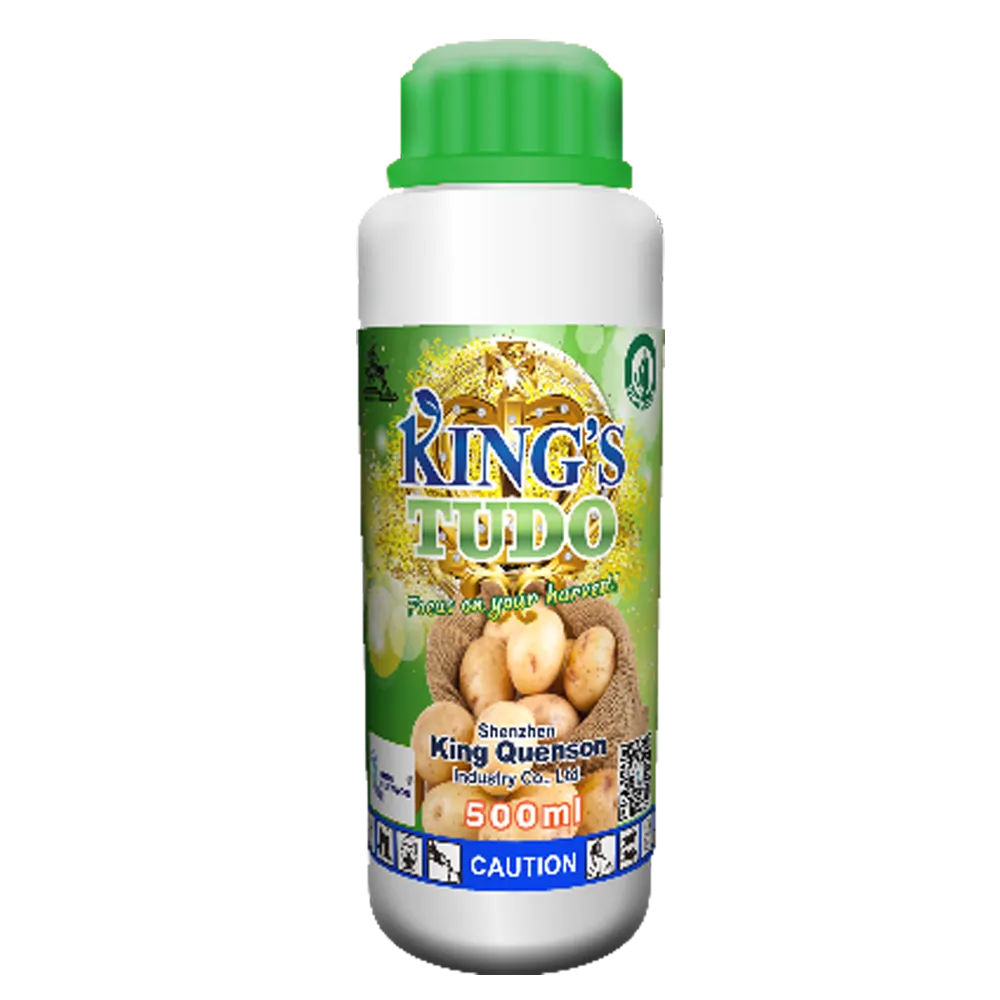
The selection and use of herbicides should be based on a comprehensive assessment of local weed spectra, crop growth stage, and resistance management principles. In markets where they are registered and approved for use, products such as King’s Sonata (for pre-emergence scenarios) or King’s Tudo (for post-emergence scenarios) may be evaluated as potential components within a broader IPM program.
Any application must be strategically timed and integrated with cultural, mechanical, and monitoring practices, and always follow locally approved use guidelines and regulatory requirements.
Commercial and Supply System Perspective
At commercial production scale, weed management decisions influence not only seasonal yield outcomes but also regulatory compliance, operational consistency, and long-term sustainability performance across the supply system.
Production systems increasingly favor structured, IPM-based weed management frameworks that demonstrate disciplined integration of preventive, cultural, and targeted intervention tools within resistance-aware strategies. Alignment with local regulatory requirements and market access standards is a critical component of this approach.
Such systems contribute to reduced production volatility, improved consistency in output quality, and greater reliability across downstream supply chains, supporting long-term planning and risk mitigation objectives.
How King Quenson Supports Your Strategy
King Quenson is well positioned to support importers and large-scale agricultural operations in developing tailored, compliant integrated weed management strategies for potato production. Support is grounded in local regulatory requirements and emphasizes the responsible integration of chemical and non-chemical tools within robust IPM frameworks.
Disclaimer
This article is based on publicly available agricultural extension materials and general integrated plant protection practices. All management considerations should be adapted to local production conditions and applicable regulations. Always consult local experts and follow approved product labels and regulatory guidelines relevant to your region.