Risk Overview
Tomato Yellow Leaf Curl Virus (TYLCV) represents a persistent and system-level risk in commercial tomato production systems. The virus is primarily transmitted by insect vectors and can spread rapidly under favorable conditions, particularly in intensive production environments. Once established, TYLCV pressure may significantly disrupt crop development, yield stability, and overall production planning.
From a management perspective, TYLCV should not be viewed as an isolated disease event, but as a complex challenge influenced by vector dynamics, crop system design, and historical disease pressure. Effective management therefore depends on integrated decision-making and coordinated strategies rather than isolated or reactive interventions.
TYLCV Characteristics and Typical Disease Expression
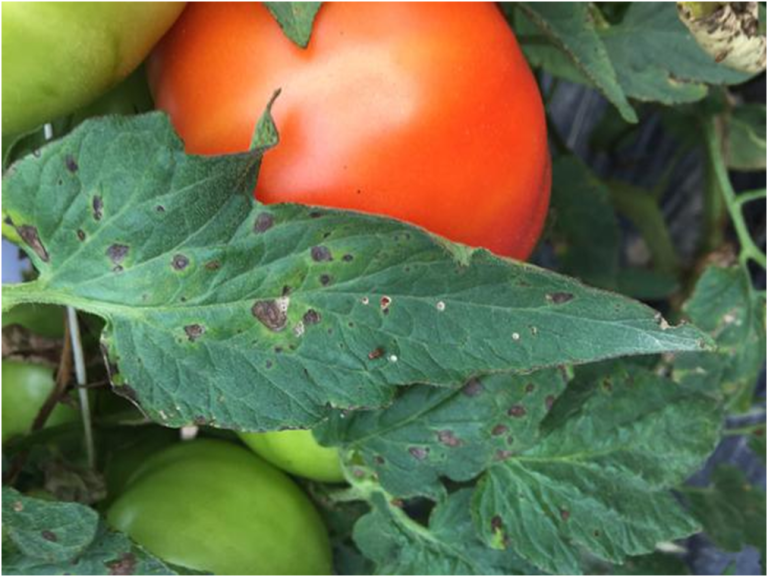
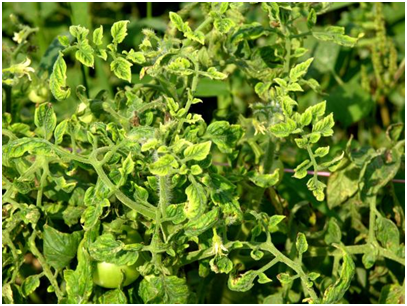
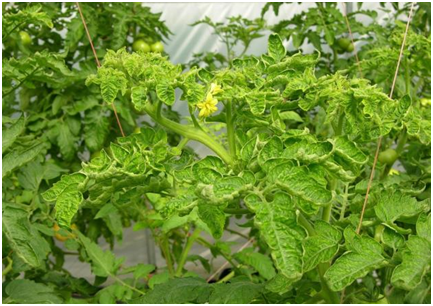
TYLCV infection is commonly associated with characteristic growth disturbances that affect both vegetative development and reproductive potential. Infected plants often exhibit reduced vigor, altered leaf morphology, and impaired fruit set, which collectively compromise crop performance and marketable yield.
Disease expression and severity may vary depending on infection timing, environmental conditions, and overall crop health. Early infection generally poses a higher risk to production outcomes, underscoring the importance of proactive risk management and early-stage protection strategies within commercial tomato systems.
Impact on Commercial Tomato Production
Unmanaged TYLCV pressure can have substantial implications for commercial tomato operations, including:
- Reduced yield stability and crop uniformity
- Increased variability in fruit quality and harvest outcomes
- Higher management complexity due to sustained vector pressure
- Elevated long-term production risk across cropping cycles
For large-scale and export-oriented production systems, these impacts translate into reduced predictability and increased operational uncertainty.
Integrated Management Considerations
Effective management of Tomato Yellow Leaf Curl Virus (TYLCV) relies on an integrated approach that addresses both virus pressure and vector dynamics within the production system. Rather than relying on isolated interventions, integrated management emphasizes coordinated strategies designed to reduce infection risk, limit disease spread, and support crop resilience throughout the production cycle.
Within an integrated TYLCV management framework, key management considerations typically include:
- Planting material and early-stage risk management
Management programs often emphasize reducing early infection risk through attention to planting material quality and early-stage protection, recognizing that early infection events can have disproportionate effects on final production outcomes.
- Vector pressure management
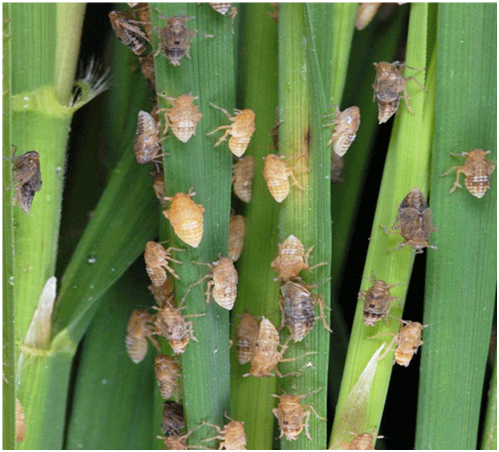
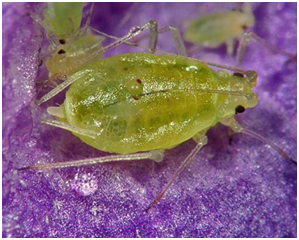
Whiteflies, thrips, and aphids are commonly recognized vectors associated with the transmission of viral diseases in horticultural cropping systems. Among these, the silverleaf whitefly is identified as the primary vector responsible for the spread of Tomato Yellow Leaf Curl Virus.
From a management perspective, effective limitation of virus spread depends on coordinated approaches aimed at reducing vector pressure within production environments. Vector management programs may incorporate a combination of physical, monitoring, and control tools as part of broader integrated strategies.
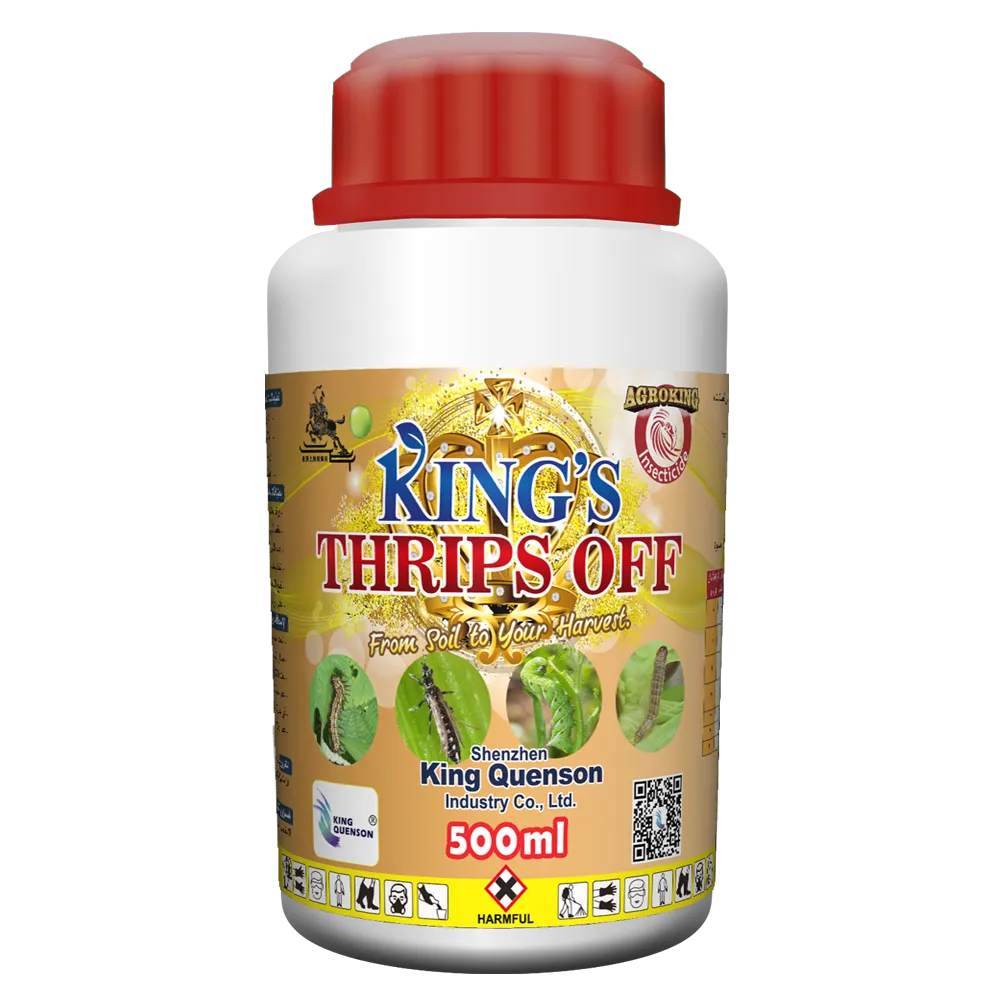
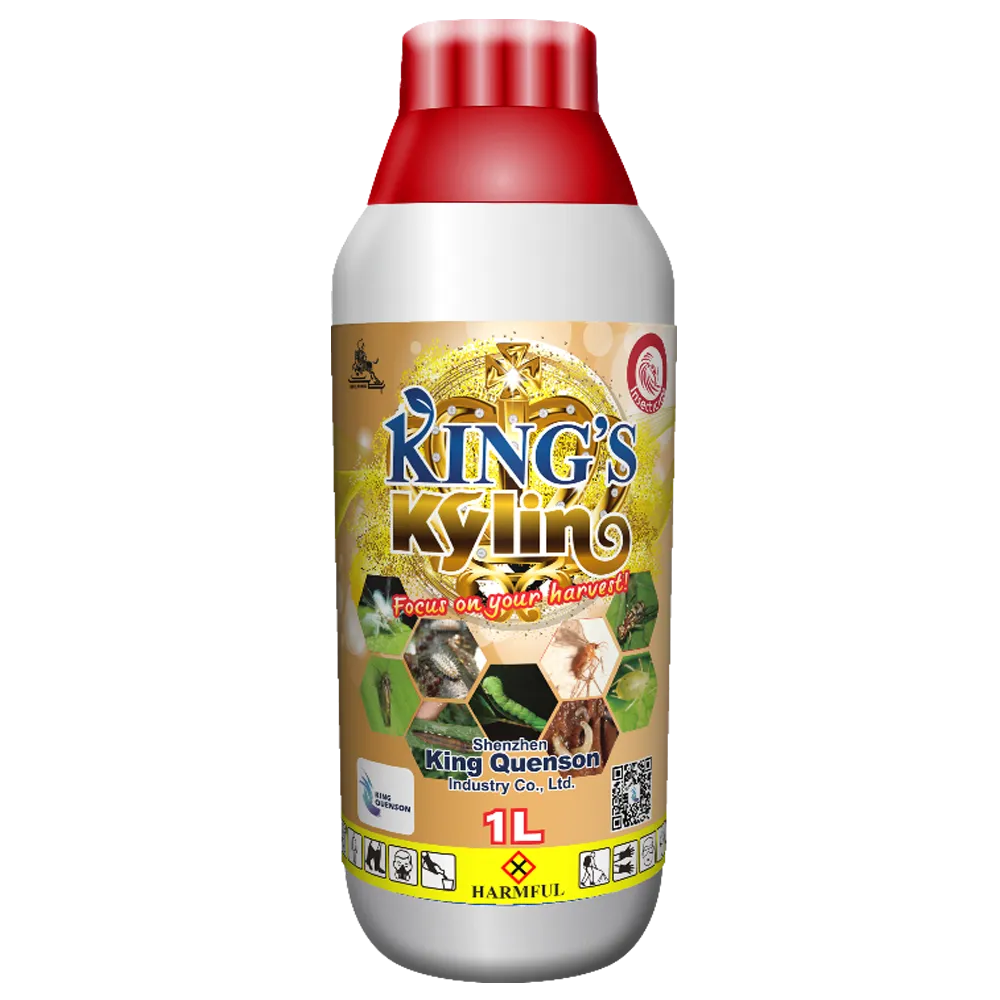
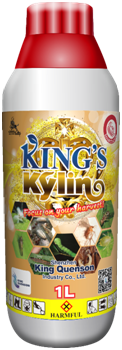
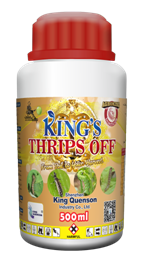
Within this context, products such as King’s Kylin and King’s Thrips Off, as referenced in vector management practices, may be considered as components of integrated programs targeting whiteflies, thrips, and aphids when aligned with overall production objectives.
- Crop hygiene and sanitation considerations
Sanitation practices are commonly incorporated to reduce potential virus reservoirs and secondary infection sources within and around production areas, supporting lower overall disease pressure across cropping cycles.
- Plant vigor and stress management
Maintaining balanced nutrition and supporting overall plant vigor may contribute to improved tolerance to virus pressure and help sustain productive capacity under challenging conditions.
Together, these coordinated management dimensions form the foundation of sustainable TYLCV risk management in commercial tomato production systems.
Sanitation practices are commonly incorporated to reduce potential virus reservoirs and secondary infection sources within and around production areas, supporting lower overall disease pressure across cropping cycles.
Maintaining balanced nutrition and supporting overall plant vigor may contribute to improved tolerance to virus pressure and help sustain productive capacity under challenging conditions.
Chemical Control Considerations
Chemical tools targeting virus vectors may be considered as part of an integrated TYLCV management program when aligned with overall production objectives. Their role is generally evaluated within the context of vector pressure, resistance management considerations, and compatibility with other management practices, rather than as stand-alone solutions.
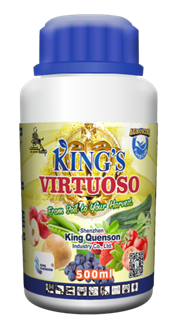

Products such as King’s Virtuoso and King’s Landing NutriFe, as referenced in integrated management programs, may be incorporated where appropriate to support vector management strategies and overall plant condition within a coordinated TYLCV management framework.
King Quenson Support Statement
King Quenson is well positioned to support importers and professional agricultural operations in evaluating TYLCV management strategies and integrating system-oriented solutions based on local production conditions and regulatory requirements.
Disclaimer
This article is based on publicly available agricultural extension materials and general integrated plant protection practices. Management considerations should be adapted to local conditions and regulatory requirements.