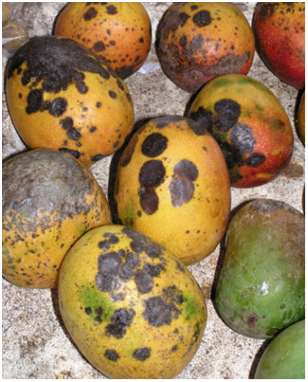
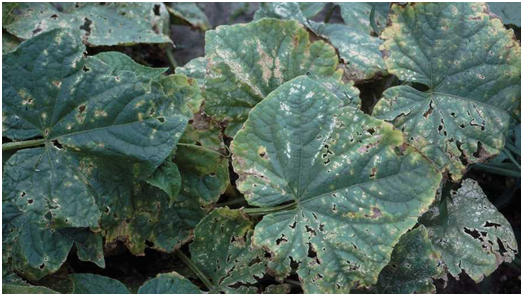
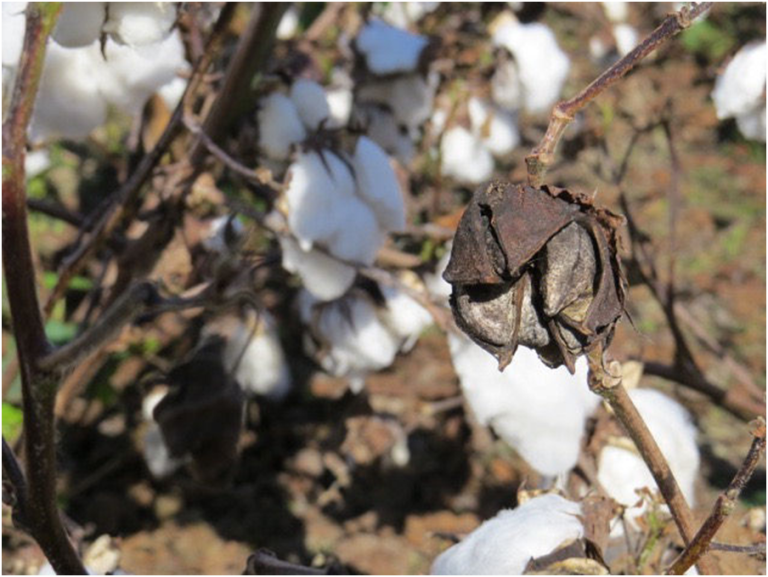
Late blight and downy mildew are among the most destructive diseases affecting a wide range of economically important crops, including potatoes and grapes. Under cool, humid and rainy conditions, these diseases spread rapidly, infecting leaves, stems and fruits and causing serious yield and quality losses within a short period of time.
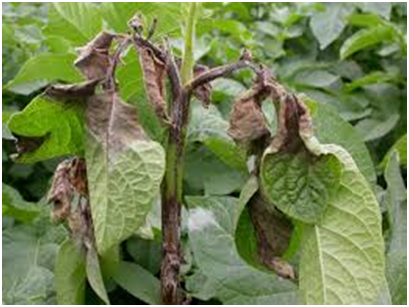
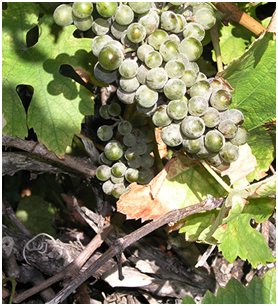
In many production regions, disease pressure persists throughout the growing season. Frequent rainfall and high humidity create favorable conditions for infection and reinfection, making disease management increasingly difficult as the season progresses.
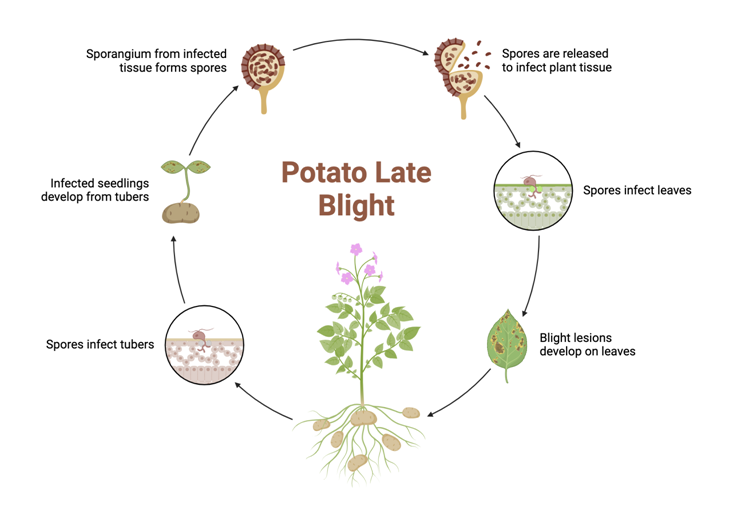
One of the key reasons late blight and downy mildew are so challenging to manage is that disease development does not occur as a single event. Under suitable environmental conditions, both diseases are capable of completing multiple infection cycles within one growing season. After initial infection, new spores are continuously produced and dispersed, leading to repeated cycles of infection and reinfection.

As these cycles continue, disease pressure gradually accumulates. Once crops enter mid to late growth stages, disease outbreaks often become more aggressive and less predictable, particularly when early infection and disease development have not been effectively suppressed.
For this reason, effective management of late blight and downy mildew requires more than a single-stage control approach. The combined use of preventive and curative activity is essential to suppress infection and early disease development, thereby reducing the risk of repeated infection cycles during the growing season.
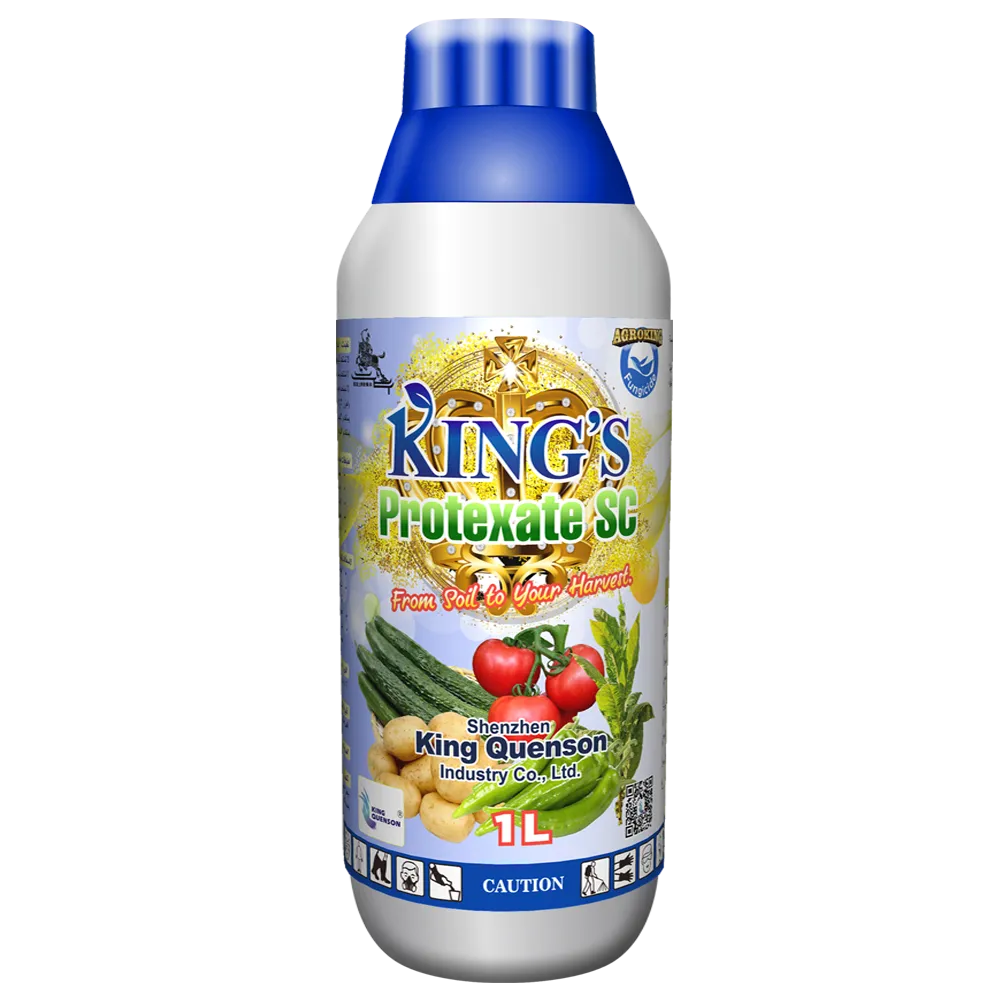
King’s Protexate SC was developed based on this disease management concept. Formulated with fluopicolide and propamocarb, it provides both preventive and curative activity, helping suppress pathogen infection and early disease development and laying the foundation for stable field performance.
Key Features
- Excellent penetration and systemic translocation
Allows active ingredients to move within plant tissues, helping protect both treated and newly developing plant parts.
- Preventive and protective mode of action
Supports early-stage disease management by reducing infection before repeated cycles occur.
- Stable efficacy with good rainfastness
Maintains consistent field performance under humid and rainy conditions.
- Low toxicity and good environmental compatibility
Suitable for modern, responsible crop protection practices.

After application, King’s Protexate SC penetrates plant tissues efficiently and moves systemically within the plant. Through its combined internal and residual activity, it helps maintain continuous suppression of disease development and reduces the likelihood of repeated infection under favorable conditions.
In field comparison trials, King’s Protexate SC (applied at a 1:1500 dilution) demonstrated stable and reliable performance. While initial disease suppression was comparable to similar products, later observations showed reduced disease recurrence, indicating improved stability under continuous disease pressure.
King’s Protexate SC delivers preventive and curative activity that helps suppress repeated infection cycles within a growing season, ultimately providing more stable and lasting protection against late blight and downy mildew.