Risk Overview
Within commercial wheat production systems, weed pressure represents a persistent agronomic risk that can influence yield stability, operational efficiency, and long-term land productivity.
For professional wheat production operations and agricultural import partners managing extensive wheat production areas, weeds are not merely an occasional field issue but a system-level management factor affecting crop competitiveness and production predictability.
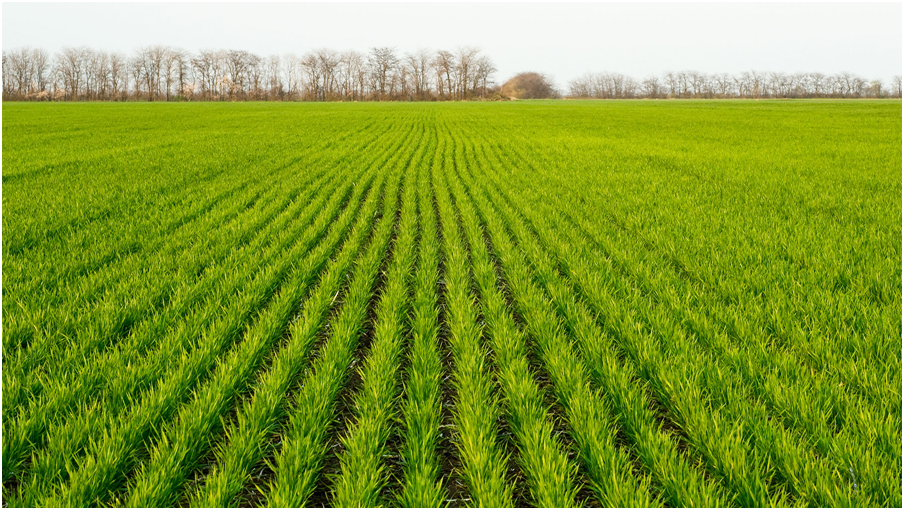
During early crop establishment stages, wheat plants compete directly with weeds for water, nutrients, and sunlight. When weed emergence coincides with early crop development, this competition can influence crop vigor, stand uniformity, and ultimately the consistency of harvest outcomes.
As a result, professional wheat production systems increasingly treat weed management as part of a long-term Integrated Pest Management (IPM) strategy, rather than a single-season intervention.
Weed Profile in Wheat Production Systems
Wheat production environments may host a diverse range of weed species, including both annual grasses and broadleaf weeds. Many of these species exhibit biological characteristics that allow them to establish rapidly within cereal cropping systems.
Common characteristics observed across wheat-associated weed populations include rapid germination under favorable soil moisture and temperature conditions, strong early-season growth that competes with emerging wheat plants, high seed production capacity contributing to persistent soil seed banks, and long-term survival through accumulated seed reserves in the soil.
In commercial production environments, weed management decisions typically focus less on individual species identification and more on weed pressure dynamics, including emergence timing, population density, and persistence within cropping systems.
Development Conditions and Risk Factors
Several agronomic and environmental conditions may increase the likelihood of significant weed pressure in wheat fields.
Key risk factors may include limited diversity in crop rotation systems, soil moisture and temperature conditions favorable to weed germination, accumulated weed seed banks from previous cropping cycles, reduced crop competitiveness during early establishment, and repeated reliance on similar weed control tools which may contribute to resistance development.
When these factors coincide during early crop growth stages, weed populations may expand rapidly and create recurring management challenges across extensive wheat-growing areas.
Impact on Commercial Wheat Production
In commercial wheat production systems, the influence of weeds extends beyond simple crop competition.
Weed pressure may affect several operational and economic dimensions of commercial farming systems, including reduced grain yield due to competition for essential resources, variability in crop stand uniformity across production fields, reduced harvesting efficiency in heavily infested areas, increased likelihood of pests or diseases using weeds as alternative hosts, and progressive accumulation of weed seed banks over successive seasons.
Over time, unmanaged weed populations may increase production variability and contribute to rising management complexity within commercial cereal production systems.
Integrated Weed Management Approach (IPM)
Cropping System Planning
Crop rotation strategies and field history assessment play an important role in reducing long-term weed pressure. Diversified cropping systems may interrupt weed life cycles and help reduce the persistence of dominant weed populations.
Cultural and Preventive Practices
Agronomic practices that promote vigorous crop establishment may enhance wheat competitiveness against emerging weeds. These practices can include planting strategies, balanced soil fertility management, and cropping systems that support rapid canopy development.
Monitoring and Risk Assessment
Field monitoring during early crop development stages allows producers to evaluate weed pressure levels and assess potential economic risks associated with weed competition.
Within IPM-based production systems, monitoring supports informed decision-making regarding whether additional management tools may be required.
Mechanical and Physical Considerations
In certain production environments, soil preparation practices prior to planting may contribute to reducing early weed emergence and supporting integrated weed management strategies.
Chemical Control Considerations
When weed pressure exceeds acceptable management thresholds, herbicides may be evaluated as one component within a broader IPM-based weed management program.
Pre-emergence herbicides may be considered to support early-season weed suppression and help maintain crop competitiveness during initial crop development stages. In markets where they are registered and approved for use, products such as King’s Sonata may be evaluated as potential components within pre-emergence weed management strategies.
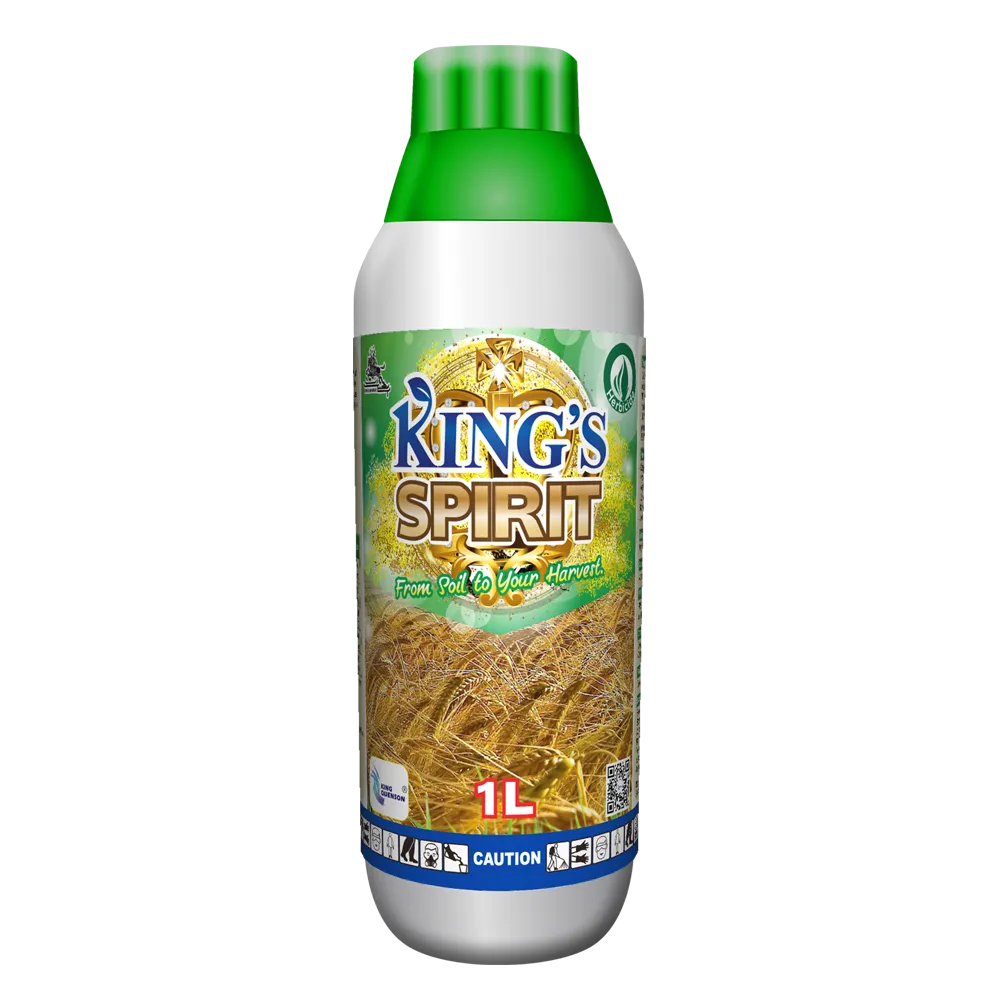
Post-emergence herbicides may also play a role in managing weeds that emerge after crop establishment or escape early suppression. In markets where they are registered and approved for use, products such as King’s Spirit, King’s Charm, or King’s Marvel may be considered within diversified post-emergence weed management programs.
To mitigate the risk of herbicide resistance, a growing concern in modern wheat production systems, it is important to rotate herbicides with different modes of action across seasons or within a single season when sequential applications are required. This practice helps reduce selection pressure on resistant weed populations and supports the long-term effectiveness of available weed management tools.
The selection and use of herbicides should always be based on local weed spectra, crop growth stages, and resistance management considerations, and must follow approved product labels and local regulatory requirements.
Production System Perspective
For agricultural importers and wheat producers managing broad cropping operations, weed management decisions influence not only seasonal yield outcomes but also the long-term stability of cropping systems.
Weed pressure may affect crop uniformity, harvesting efficiency, and the long-term productivity of agricultural land. Consequently, many commercial production systems integrate weed management into structured crop protection planning frameworks.
IPM-based strategies combine preventive agronomy, systematic monitoring, and targeted interventions in order to reduce production variability and support consistent performance across extensive wheat production areas.
How King Quenson Supports Integrated Crop Protection Strategies
King Quenson works with agricultural import partners and commercial farming operations to support the development of locally adapted crop protection strategies aligned with integrated pest management principles.
Support focuses on providing crop protection tools that can be incorporated into compliant, region-specific IPM frameworks, while respecting local agronomic conditions, regulatory requirements, and resistance management considerations.
This approach contributes to the development of structured crop protection programs designed to support sustainable agricultural productivity and long-term crop management systems.
Disclaimer
This article is based on publicly available agricultural extension materials and general integrated plant protection practices. Management recommendations should be adapted to local conditions and regulations. Always consult local experts and follow approved product labels and regulatory guidelines relevant to your region.