According to the International Grains Council (IGC), global corn production continues to expand, reinforcing its role as a cornerstone of feed, food, and industrial supply chains. For importers and large-scale growers operating within these complex chains, managing biological risks that threaten yield stability and commodity quality is paramount. Among these, the European corn borer (ECB, Ostrinia nubilalis) remains a persistent and economically significant challenge, demanding strategic rather than reactive management.
Overview
For commercial decision-makers, European corn borer (ECB) transcends being a mere agronomic pest-it is a source of systemic production uncertainty. This pest presents a dual threat to both yield quantity and grain quality, making it a recurring variable that can disrupt supply chain predictability and erode profit margins across large-scale operations.
Pest Profile
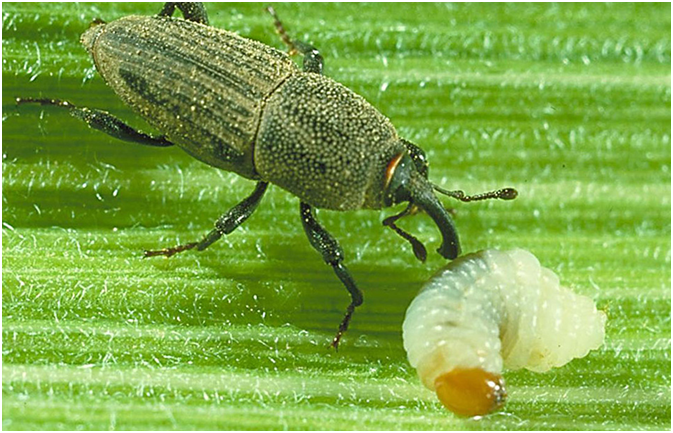
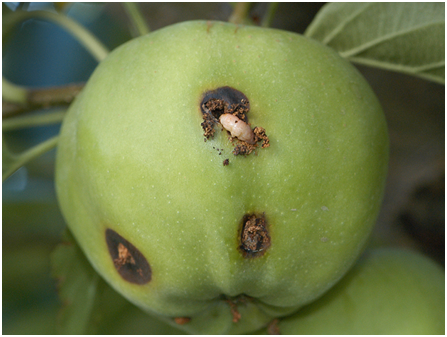
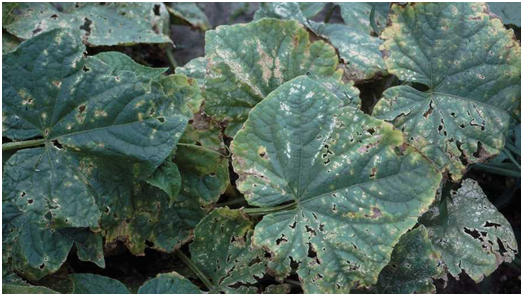
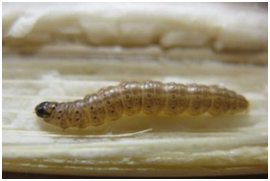
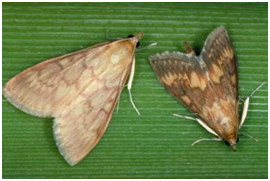
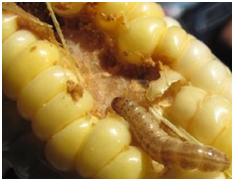
The European corn borer is a lepidopteran pest whose larvae cause damage through concealed tunneling within corn stalks and ears. This hidden feeding behavior makes early detection difficult and allows significant physiological injury to occur before symptoms become visibly apparent in the field.
Risk Factors
ECB development and threat intensity are thermally driven. Overwintering larvae typically emerge as adults in late spring or early summer once temperatures consistently exceed 15–16°C, leading to one or more generational cycles per season. These recurring risk windows often align with the crop’s most vulnerable growth stages.
Several emerging factors are intensifying management complexity:
- Climate Variability: Shifting weather patterns are extending the pest’s active season and geographic range, potentially increasing generations per season and complicating long-range forecasting.
- Evolving Pest Resilience: Documented cases of field-evolved resistance to certain Bt traits in key regions underscore the risk of over-reliance on any single technology.
- Constraints of Conventional Methods: Standalone chemical or cultural tactics often face efficacy, logistical, or sustainability limitations in modern commercial-scale production.
Impact on Commercial Production
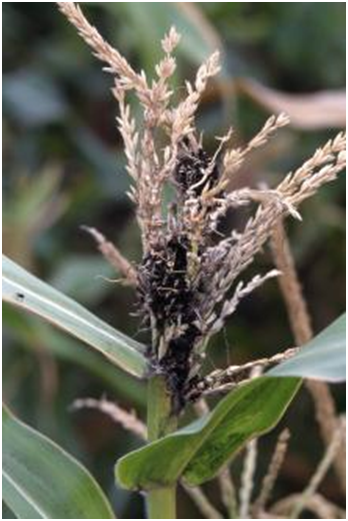
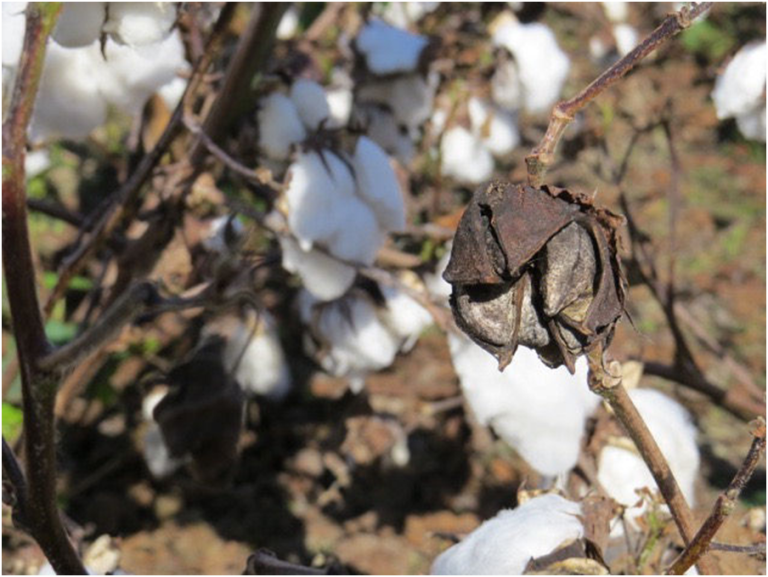
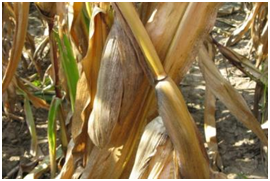
The economic impact of ECB is multifaceted. Larval tunneling directly weakens stalks and compromises ears, undermining yield potential and reducing harvest efficiency through stalk lodging and ear drop. More critically, the physical damage creates entry points for fungal pathogens, leading to ear rots and mycotoxin contamination. This introduces severe food safety concerns and can result in non-compliance with strict trade regulations, posing significant financial and reputational risks for growers and supply chain partners.

Prevention and Management (IPM)
For large-scale corn operations, effective management of ECB necessitates a strategic, integrated approach. An IPM framework moves beyond reactive control, treating ECB as a manageable production risk by combining multiple preventative and responsive tactics. The goal is to suppress populations below economic thresholds, preserve the efficacy of key technologies, and protect yield stability and grain quality sustainably.
Management Options
- Monitoring and Decision Support
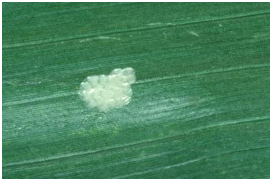
Proactive monitoring is the cornerstone of informed ECB management. Systematic scouting for egg masses and early feeding damage, supplemented by pheromone or light traps to track adult moth flights, provides critical data for threshold-based intervention decisions.
- Cultural and Agronomic Strategies
Foundational practices include timely post-harvest residue destruction to disrupt overwintering, crop rotation with non-hosts, field sanitation to remove volunteer corn and weed hosts, and considering planting/harvest timing in relation to ECB flight peaks.
- Host Plant Resistance
Where approved and appropriate, planting hybrids with built-in resistance (e.g., Bt traits) provides a high level of protection. Adherence to refuge requirements and the use of pyramided traits are critical for long-term resistance management.
- Biological Control Options
Strategies include conserving beneficial insect populations, utilizing augmentative releases of parasitoid wasps (e.g., Trichogramma spp.), and considering microbial insecticides. Products based on Bacillus thuringiensis (Bt), such as King’s BTK, may be considered for application against young larvae, subject to local registration and use guidelines.
- Chemical Control Considerations
When monitoring indicates escalating pressure, insecticides serve as a tactical tool. The focus is on precise application timing-around egg hatch and before larval boring. Products with different modes of action, such as King’s Archer Plus or King’s Tiara, may be evaluated for integration into a rotational program, subject to local registration status and in accordance with approved label instructions. All chemical applications must adhere to local regulatory requirements.
How King Quenson Supports Your Strategy
King Quenson partners with importers and large-scale growers to implement tailored integrated pest management strategies that address the specific challenges posed by European corn borer. Our approach combines deep technical insight, compliance-aligned practices, and a commitment to sustainable crop protection. By offering a portfolio of targeted solutions – including biological options and chemistry designed with resistance management in mind – we help our partners protect yield quality and maintain operational predictability throughout the growing season.
Disclaimer
This article is based on publicly available agricultural extension materials and general integrated plant protection practices. All management considerations should be adapted to local production conditions and applicable regulations. Always consult local experts and follow approved product labels and regulatory guidelines relevant to your region.