Overview
In modern crop production systems, early-season risk management has become a critical consideration as climatic variability, biological pressure, and production complexity continue to increase. Decisions made at the establishment stage often have disproportionate influence on crop uniformity, system stability, and downstream management flexibility. Within this context, seed treatment has emerged as an important component of integrated crop protection strategies, addressing vulnerability at the earliest stage of crop development.
Before emergence, seeds and young seedlings are exposed to soil-borne pathogens and early-season pests that can compromise establishment uniformity and influence subsequent management outcomes. From a management perspective, seed treatment is widely applied to mitigate these risks at the most vulnerable phase of the crop cycle, supporting more predictable stand development within broader production systems.
What Seed Treatment Addresses
From a management standpoint, seed treatment primarily addresses the following early-stage risks:
- Soil-borne disease pressure
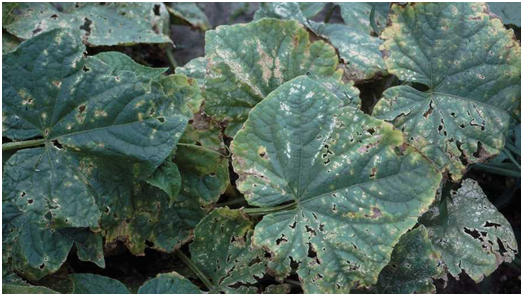
Pathogens present in soil or crop residue can infect seeds and seedlings immediately after planting, reducing emergence rates and early vigor.
- Seed-borne and early-infection risks
Pathogens carried on or within seed material may compromise uniform establishment if not managed at the earliest stage.
- Early-feeding insect pressure
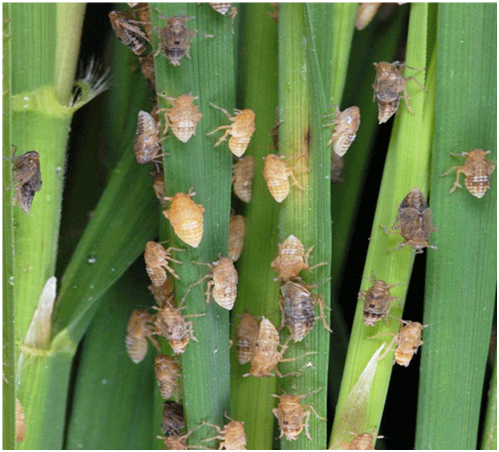
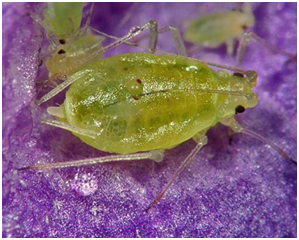
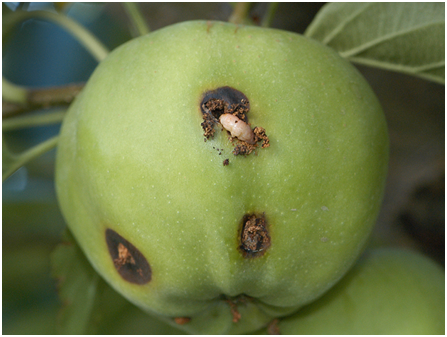
Certain pests attack seeds or young seedlings shortly after planting, leading to stand gaps and uneven crop development.
- Establishment variability
Early losses or uneven emergence often translate into long-term variability that is difficult to correct later in the season.
By concentrating protection directly on the seed, seed treatment serves as a targeted approach to mitigating these risks while supporting more consistent crop establishment.
Conditions Where Seed Treatment Becomes Relevant
Seed treatment is most commonly considered under conditions where early-season risk exposure is elevated, including:
- Fields with known soil-borne disease history
Previous disease incidence may increase the likelihood of early infection in subsequent crops.
- High-residue or reduced-tillage systems
Crop residues can harbor pathogens and pests that increase early-stage pressure.
- Early planting into cool or moist soils
Suboptimal soil conditions may slow emergence and extend the window of vulnerability.
- Production systems requiring uniform stand establishment
Where crop uniformity is critical, early-stage protection becomes a key management consideration.
Role Within Integrated Pest Management (IPM)
Within an integrated pest management framework, seed treatment is positioned as a preventive and risk-mitigation tool rather than a standalone solution. Its role is to support early-season protection while complementing agronomic, biological, and cultural management practices. When properly integrated, seed treatment can improve resource efficiency by reducing reliance on broader field interventions later in the season, while remaining aligned with regulatory and sustainability objectives.
Chemical Seed Treatment Considerations
King’s CropArmor is a seed treatment formulation combining three active ingredients, including the insecticide thiamethoxam and the fungicides fludioxonil and difenoconazole. Within integrated crop protection programs, such multi-active formulations are designed to support early-stage risk management by addressing a range of insect and disease pressures commonly associated with the establishment phase.
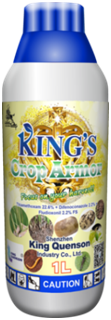
From a management perspective, seed treatment products with multi-active formulations may contribute to broader early-season risk coverage, particularly in production systems facing concurrent insect activity and soil- or seed-borne disease pressure. Considerations typically include alignment with early growth-stage protection needs, formulation characteristics related to seed handling and planting safety, and integration within broader crop protection strategies.
King Quenson Support Statement
King Quenson is well positioned to support importers and professional agricultural operations in evaluating seed treatment strategies and integrating compliant crop protection solutions based on local agronomic conditions and regulatory frameworks.
Disclaimer
This article is based on publicly available agricultural extension materials and general integrated plant protection practices. Management recommendations should be adapted to local conditions and regulations.