Overview
Potato production systems in many regions face ongoing pressure from Colorado potato beetle (Leptinotarsa decemlineata). The pest’s strong feeding capacity, high reproductive potential, and ability to adapt to control measures contribute to its persistence across production cycles.
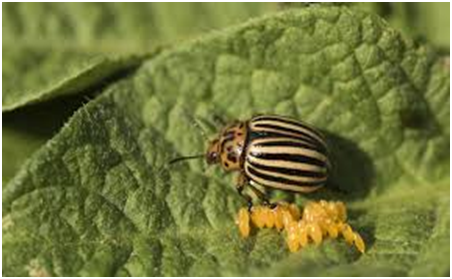
Rather than causing isolated damage events, beetle pressure often accumulates over time, placing continuous stress on crop vigor, canopy stability, and yield consistency. In intensive potato systems, this cumulative pressure represents a strategic production risk rather than an episodic infestation issue.
Pest Characteristics Relevant to Risk Assessment
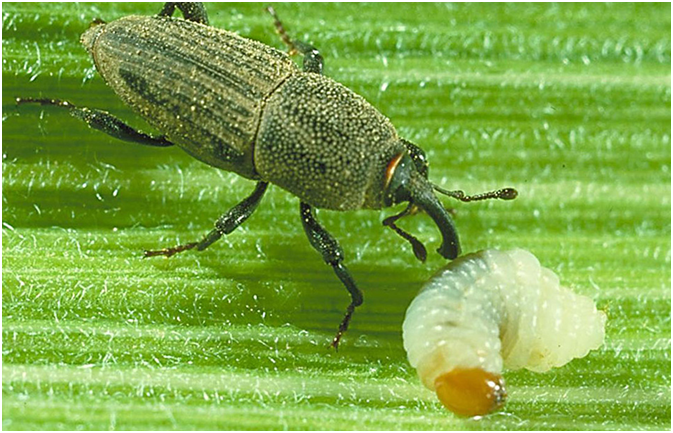
Colorado potato beetle is characterized by a lifecycle that allows multiple generations per growing season under favorable conditions. Both larvae and adult beetles actively feed on foliage, directly reducing photosynthetic capacity during critical crop development stages.
From a management perspective, the pest’s documented ability to develop resistance to repeated exposure to specific modes of action significantly increases long-term risk. This adaptive behavior underscores the limitations of approaches that rely on single tools or repeated chemical use without broader strategic consideration.
Impact on Commercial Potato Production
In commercial potato operations, sustained beetle pressure can lead to rapid defoliation, weakened plant growth, and delayed tuber development. Yield potential may be reduced not only by immediate foliage loss but also by diminished plant resilience throughout the growing season.
Beyond yield impact, ongoing beetle pressure introduces uncertainty into production planning. Resistance-related performance variability can complicate cost forecasting, input planning, and long-term field management decisions.
Management Awareness and Strategic Considerations
Effective long-term response to Colorado potato beetle pressure begins with a clear shift in perspective — from short-term suppression toward sustained risk management. In many potato-producing regions, the beetle has evolved into a predictable yet highly adaptive pressure, requiring strategic anticipation rather than reactive intervention.
From a management standpoint, early recognition of beetle pressure patterns, historical resistance development, and regional variability is critical. Decisions made at the planning stage — including rotation structures, input diversification, and program flexibility — influence the resilience of the entire production system over time.
Equally important is the recognition that over-reliance on any single control measure increases vulnerability. Repeated exposure to the same mechanisms accelerates resistance development, narrowing future options and elevating long-term costs. Strategic management therefore emphasizes diversification, preservation of available tools, and alignment with broader agronomic objectives rather than isolated tactical responses.
By framing Colorado potato beetle as a structural risk embedded within the production system, growers and supply chain partners can better evaluate trade-offs between short-term performance and long-term sustainability. This risk-aware approach supports more stable yield outcomes, improved cost predictability, and greater operational confidence across production cycles.
Chemical Control Considerations
Chemical solutions may form part of a broader management framework when aligned with resistance management principles and local regulatory requirements. The selection and positioning of chemical tools should be guided by target risk profiles and long-term sustainability objectives rather than short-term suppression alone.
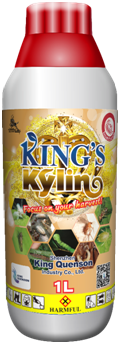

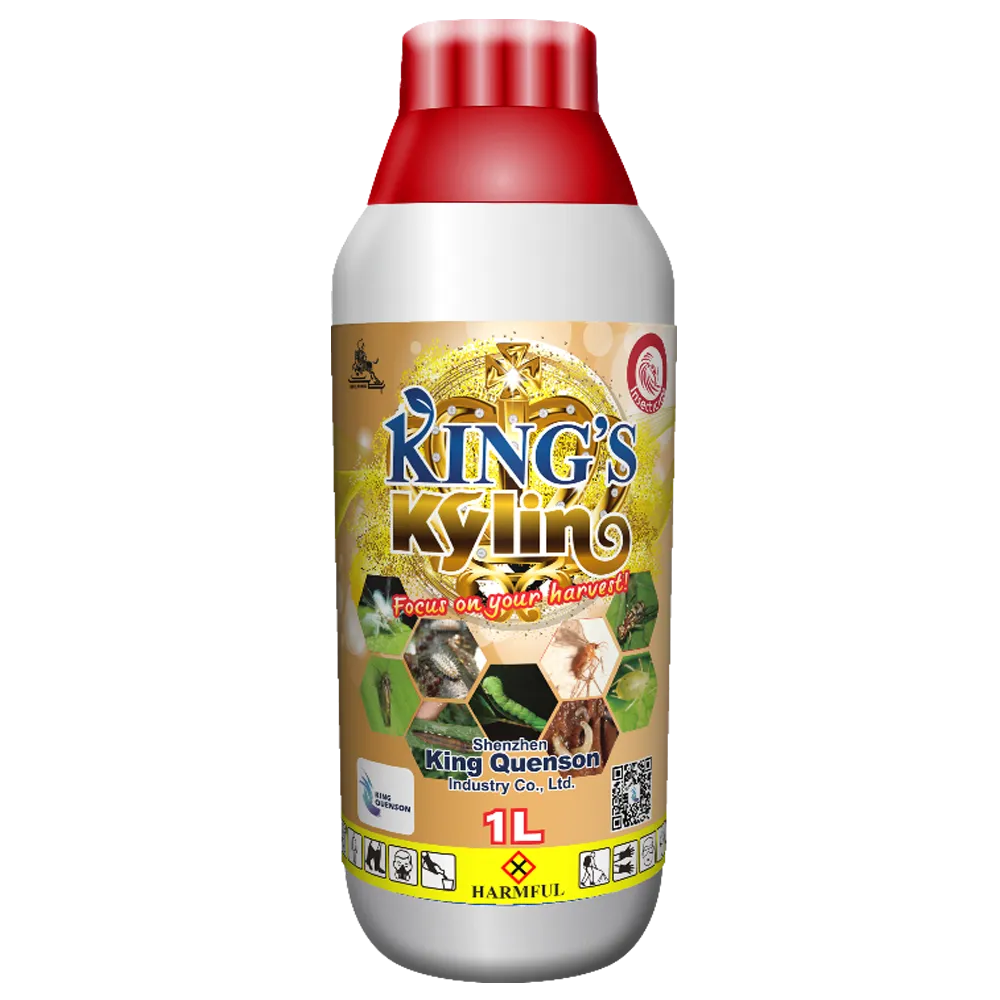
Products such as King’s Kylin and King’s Archer, as referenced in the original chemical rotation context, may be considered as optional components within structured management programs, subject to local registration status and approved use conditions. Their role is best evaluated as part of an integrated, risk-based approach rather than as standalone solutions.
King Quenson Support Statement
King Quenson is well positioned to support importers and large-scale potato production operations in developing tailored, compliant pest management strategies based on local conditions, resistance considerations, and regulatory requirements.
Disclaimer
This article is based on publicly available agricultural extension materials and general integrated plant protection practices. Management approaches should be adapted to local conditions and regulatory requirements.