Risk Overview: A Threat to Yield and Marketability
For importers supplying large-scale growers and for commercial farming operations themselves, pepper anthracnose represents a significant economic threat. Caused by Colletotrichum species, this fungal disease is not merely an agronomic issue but a critical risk management challenge. It directly compromises fruit quality, leading to severe post-harvest losses and potential market rejections. The pathogen thrives under warm, humid conditions, making protected cultivation and rainy seasons periods of heightened systemic risk. Effective management is less about a single intervention and more about integrating preventive strategies within a sound IPM framework to protect yield stability and investment.
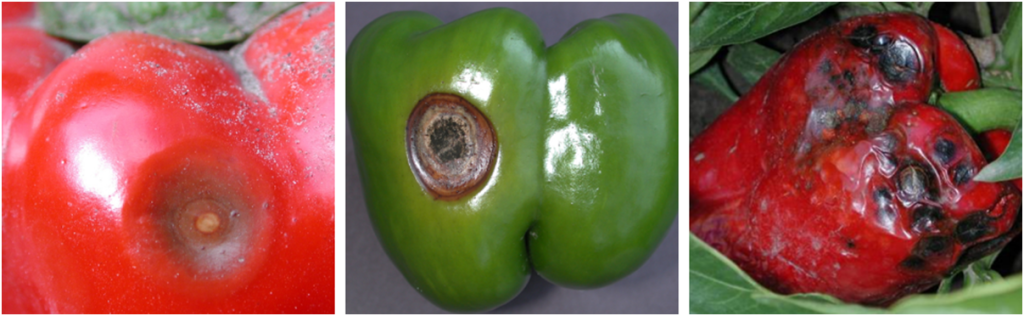
Pathogen Characteristics and High-Risk Conditions
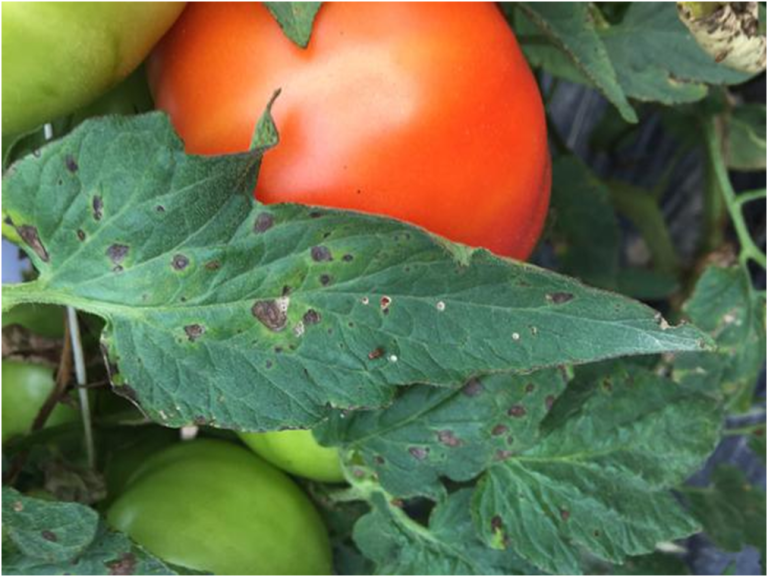
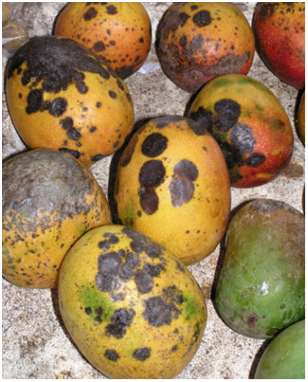
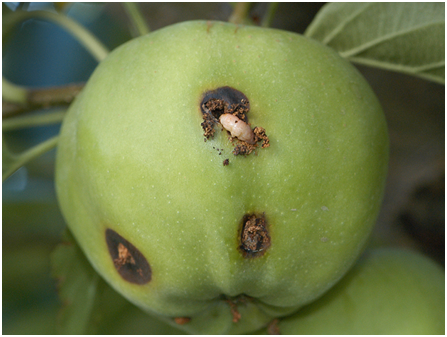
The fungi can survive in crop debris and contaminated seeds, initiating cycles of infection. Primary symptoms on fruit include sunken, circular lesions with dark margins. For decision-makers, understanding the environmental triggers is more critical than taxonomic details. Extended leaf wetness from rain, overhead irrigation, or high humidity, combined with warm temperatures, creates the high-risk scenario that demands proactive management shifts.
Impact on Commercial Production
The impact extends beyond the field. Infections that seem minor at harvest can develop significantly during transport and storage, leading to major consignment loss. For growers supplying fresh markets or processors, this translates to direct financial loss and supply chain disruption. For importers, it underscores the need to source from growers with robust, preventative disease management protocols.
Integrated Management Approach (IPM)
A resilient, multi-tactic IPM strategy is foundational for sustainable control. This layered approach prioritizes prevention and systemic risk reduction.
- Planning and Sourcing: Initiate management with the use of pathogen-tested seed. Implementing extended crop rotations with non-host crops and selecting varieties with documented tolerance, where available, are key strategic decisions.
- Cultural and Environmental Controls: Optimize plant spacing and pruning to improve air circulation. Transitioning to drip irrigation and ensuring proper field drainage are critical practices to minimize leaf wetness and disrupt the disease cycle.
- Field Monitoring and Sanitation: Conduct regular scouting during fruit set and under conducive weather conditions. The rigorous removal and destruction of infected plant material are essential to reduce in-field pathogen pressure.
- Biological and Preventive Options: Consider integrating registered biological control agents into the program as protectants, subject to local registration and product availability.
- Chemical Control as a Component of IPM: When conditions warrant, fungicides may be integrated into a broader IPM framework, subject to local registration status and regulatory requirements. Where appropriate, fungicide options from different modes of action may be evaluated. Examples include King’s Care and King’s Captan.
- Their use must be:
- Compliant: Applied strictly in accordance with nationally approved product labels and based on local regulatory requirements.
- Strategic: Timed preventively and programmed to manage resistance risk, subject to local registration status.
- Integrated: Viewed as one tool within the wider context of cultural, biological, and monitoring practices described above.
Perspective for Importers and Large-Scale Growers
Your operational scale and market requirements dictate a focus on system reliability and regulatory compliance. Investing in traceable IPM protocols, harvest planning, and post-harvest handling is critical for risk mitigation. Sourcing decisions and technical advisories should emphasize growers’ adherence to these disciplined, preventative programs. The goal is to manage the systemic business risk of quality failure and supply volatility.
How King Quenson Supports Your Strategy
King Quenson is well positioned to support importers and large-scale agricultural operations in developing tailored, compliant IPM strategies. We provide access to a portfolio of crop protection solutions and the technical knowledge to integrate them effectively into local management frameworks, always emphasizing adherence to national registration and regulatory requirements.
Disclaimer:
This article is based on publicly available agricultural extension materials and general integrated plant protection practices. All management recommendations should be adapted to local conditions and regulations. Always consult with local agricultural experts and follow the approved product labels and regulatory guidelines specific to your country or region.