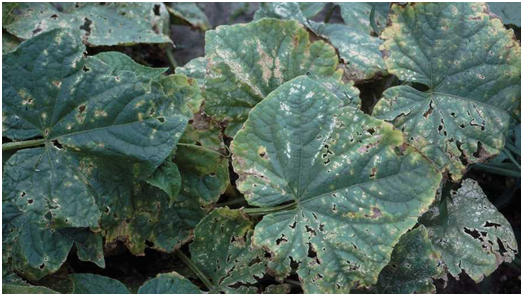
Risk Overview
Cucumber angular leaf spot is a bacterial disease that can develop rapidly in production environments characterized by high humidity, frequent rainfall, or intensive irrigation systems. The disease is primarily associated with cucumber but may also affect other cucurbit crops under conducive conditions.
For importers and large-scale production operations, the primary concern is not the presence of the disease itself, but its potential to disrupt canopy stability and introduce variability into production systems. Under favorable environmental conditions, disease pressure may escalate quickly, creating uncertainty in yield performance and quality consistency.
Disease Characteristics
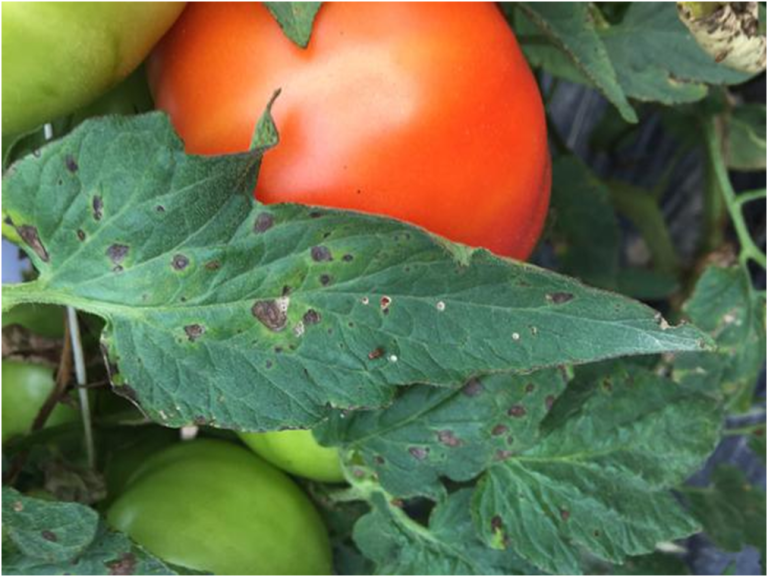
Angular leaf spot is caused by Pseudomonas syringae pv. lachrymans, a seedborne and residue-surviving bacterial pathogen. It can persist in infected plant material and be introduced into production systems through contaminated seed sources.
The pathogen spreads primarily through water-mediated pathways, including rain splash, irrigation, and mechanical transmission via field activities. Infection typically occurs through natural openings or wounds, particularly when leaf surfaces remain wet for extended periods. Disease development is strongly associated with warm, humid environments that enable repeated infection cycles within the crop canopy.
Impact on Commercial Production
The impact of angular leaf spot is closely linked to infection timing and environmental conditions. Early disease establishment may reduce effective photosynthetic area, potentially affecting plant vigor and uniformity.
As disease pressure increases, defoliation may occur, exposing fruit to environmental stress and increasing susceptibility to secondary quality issues. In commercial production systems, this may translate into variability in fruit grading, reduced marketable yield, and challenges in maintaining consistent supply standards.
For operations involved in contract production or export-oriented supply chains, such variability may influence harvest planning, product classification, and fulfillment reliability.
Integrated Management Approach (IPM)
Effective management of cucumber angular leaf spot relies on a structured Integrated Pest Management framework that prioritizes prevention, system resilience, and risk reduction.
Seed and Source Management: The use of certified pathogen-free seed remains a foundational risk reduction measure for limiting pathogen introduction into production systems.
Monitoring and Risk Assessment: Regular field monitoring and alignment with environmental conditions are essential for assessing disease risk.
Agronomic System Design: Crop rotation, residue management, and practices that reduce leaf wetness may contribute to lowering disease pressure.
Operational Hygiene: Minimizing field operations under wet conditions and maintaining sanitation can reduce transmission.
Host Resistance: Selection of tolerant varieties may help reduce disease intensity.
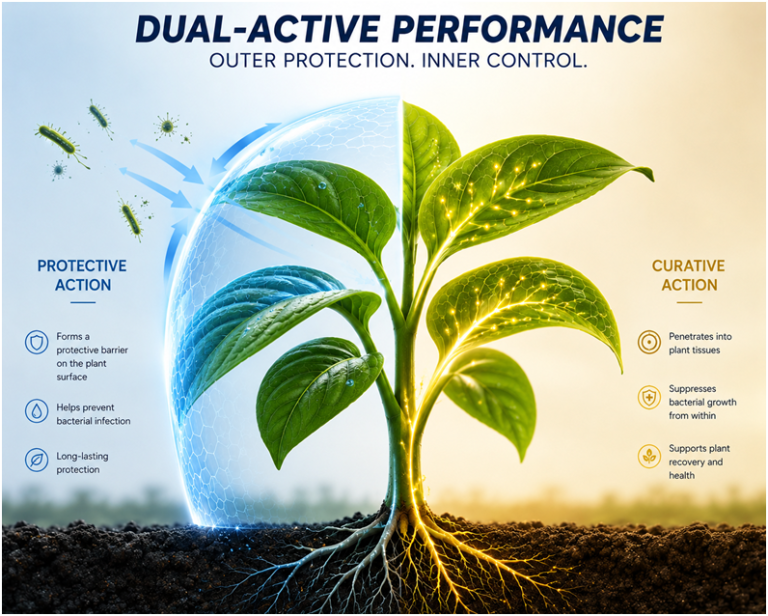
Chemical Control Considerations: Within an IPM framework, chemical tools may be considered as supportive components. Copper-based bactericides are commonly used as protective tools. In certain production systems, products such as King’s Spring may be considered as one of the options within integrated programs, subject to local registration status and in accordance with approved product labels and regulatory requirements.
Large-scale Grower Perspective
From a commercial perspective, angular leaf spot management is primarily a matter of maintaining production stability and reducing variability.
The objective is risk containment within acceptable thresholds that support consistent yield and quality outcomes. Integrating disease risk assessment into procurement planning and production systems contributes to improved predictability and operational alignment.
King Quenson Support Statement
King Quenson is well positioned to support importers and large-scale agricultural operations in developing tailored, compliant IPM strategies based on local conditions and regulatory requirements.
Disclaimer
This article is based on publicly available agricultural extension materials and general integrated plant protection practices. Management recommendations should be adapted to local conditions and regulations.