Grapes hold a significant position in global fruit production, ranking as the second most widely cultivated fruit tree after citrus. Currently, more than 90 countries produce grapes and global fruit production reached 887 million tons, with grapes accounting for 9% of the total output in 2020. (Source: FAO)
Grape (Vitis vinifera L.) belongs to the family Vitaceae Juss and the genus Vitis L. It is a deciduous woody vine and a type of berry fruit. Grapes have thin skin, high water content, and soft texture, making them highly susceptible to mechanical damage and pathogen infections, which can lead to decay. This significantly affects the quality and yield of grapes.
Gray mold, commonly known as gray rot, white spot, or flower blight, is caused by infection with Botrytis cinerea. It is one of the most important fungal diseases in grapes and ranks as the second most significant fungal disease globally among the top ten fungal pathogens.
Epidemiology of Gray Mold
Temperature: 21-25°C (Optimal growth and spread).
Relative humidity: >85% (Reproduction begins). >90% (Reproduction accelerates markedly).
Three main high-incidence periods:
- Flowering stage:
The pathogen attacks flowers and young fruit, leading to rotting, wilting, and flower drop. Infections may further spread to the grape clusters and rachises. - Veraison to ripening stage:
The pathogen typically invades through wounds, resulting in sunken lesions on the rachis. This can lead to soft rot of entire clusters, blackening of fruit stems, and the development of a grayish-black mold layer.
Post-harvest storage stage:
Under improperly managed storage conditions, grayish-black mold may develop, causing post-harvest quality losses.

Symptoms
- Flower clusters:
Turn from gray to dark brown before blooming. The infected area softens and rots, covered in grayish mold. Infected flowers wilt, and young fruits may fall off.

2. Shoots and Leaves:
Sometimes with subtle rings and a layer of gray mold. Initial infections on leaves may appear as irregular, reddish-brown patches, often V-shaped and localized near the leaf edge or along major veins.


3. Mature Fruits and Stems:
The fruit develops sunken brown spots on the surface and then turns soft and mushy. Stems turn black, and black sclerotia grow from the base.


In dry conditions, infected fruits may shrivel due to water loss. Conversely, in overly humid conditions, the fruits may crack, and a dark gray mold layer can form on the surface.
This mold not only affects the appearance of the fruits but may also further reduce marketability and storage quality.
Prevention and Control Measures
To effectively prevent and control grape gray mold, it is recommended to adopt a method focused on prevention and early treatment.
- Use clean planting material and quarantine:
When transporting grape seedlings from other regions, they must be carefully inspected. If any seedlings are found to carry potential pests, diseases, or pathogens, immediate measures must be taken to isolate the infected seedlings to prevent the spread of pests and diseases to healthy ones.
- Select high-quality planting material:
- Root system: Select vines with a well-developed, fibrous, and evenly distributed root system.
- Cane and Buds: Choose vines with thick, sturdy canes that possess multiple (typically 3-4 or more) healthy, well-developed buds at the nodes.
- Health: Free from severe mechanical damage and pest or disease infestation.
- Canopy management: Optimize planting density and architecture
- Rationale: High planting density creates a dense canopy with poor air circulation, high humidity, and reduced sunlight penetration. These conditions are ideal for the germination and spread of Botrytis cinerea spores.
- Recommended practice: Employ training systems designed to open the canopy. The “V” trellis system is highly effective for facilitating airflow and light exposure (Greenhouses). For open-field vineyards, choose training systems that ensure good airflow.
- Density guidelines: The density should be determined based on the vigor of the variety, local climate conditions, and the training system adopted.
- Enhanced fertilizer and water management
- Fertilizer: Increase the application of organic and bio-bacterial fertilizers. Increase phosphorus (P) and potassium (K) application to boost soil organic matter, supporting plant growth and fruit development.
- Water: Avoid condensation of water on susceptible plant parts, as free moisture is necessary for germination and infection. Avoid overhead watering during blooming. If this is the only method of irrigation available, irrigate early in the day so that the foliage can dry as rapidly as possible. Maximize the period between irrigations to further enhance drying of foliage and flowers.
- Orchard sanitation
Post-harvest: Conduct a thorough orchard cleanup. Promptly remove and burn or deeply bury diseased leaves, canes, and fruits to reduce overwintering inoculum.
- Chemical control
Application strategy: The number and timing of applications depend on disease pressure, weather conditions, and cultivar susceptibility. Dry weather may reduce the need for frequent sprays.
Key timings: Bloom, pre-bunch closing, veraison and pre-harvest.
Fungicide selection:
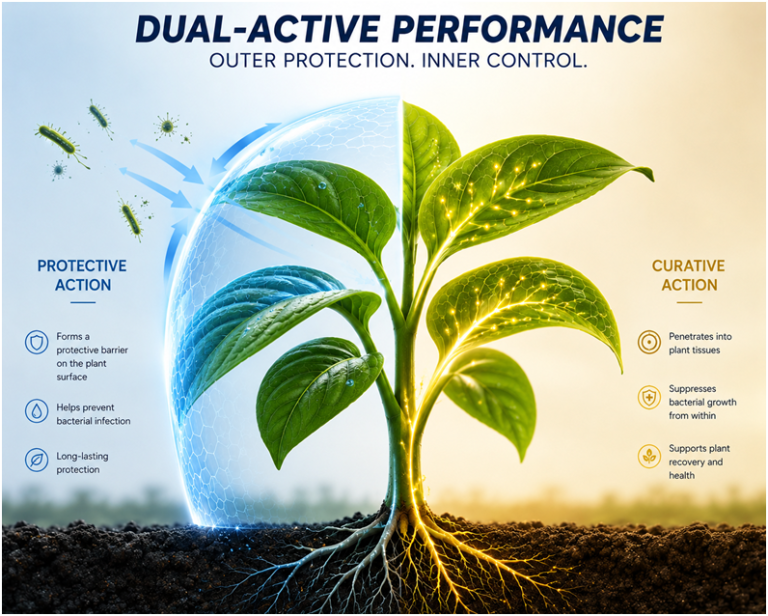
Protective fungicides (Pre-infection): Use products like King’s Mangro (Mancozeb 80% WP), and Bordeaux mixture.
Curative fungicides (Post-infection): Remove all infected fruits first. Then spray promptly with systemic fungicides, such as King’s Shine (Pyrimethanil 40% SC).
Severe cases: A mixture of protective and curative fungicides may be considered for best results, such as King’s ResisTec (Fludioxonil 10% + Cyprodinil 15% SC), King’s Aurora (Boscalid 50% WG), King’s Shield (Pyraclostrobin 12.8% + Boscalid 25.2% WG).
Always alternate different types of fungicides to prevent resistance.
Trade Name | Typical diseases | Dosage (mL/100 L water) | Application |
King’s Shine | Gray mold, Powdery mildew | 70-100 | Foliar spraying |
King’s ResisTec | Grey mold | 80-100 | Foliar spraying |
King’s Aurora | Gray mold, Powdery mildew, Downy mildew, Black rot | 100-200 | Foliar spraying |
King’s Shield | Gray mold | 50-100 | Foliar spraying |
Technical Note:
Disease management programs should be designed in accordance with local agricultural regulations and integrated pest management (IPM) principles.
Disclaimer: This article is based on publicly available agricultural extension materials and general integrated plant protection practices. Management recommendations should be adapted to local conditions and regulations.