admin
July 10, 2026
France is preparing a €2 billion investment plan to strengthen domestic fertilizer production and reduce reliance on imports. The initiative is expected to support low-carbon ammonia, improve supply security and reinforce Europe’s agricultural input independence.
July 10, 2026
Australian farmers and researchers are seeking viable alternatives to paraquat following stricter use conditions. Heavy dependence on Chinese supply, limited replacement options and rising herbicide resistance are increasing pressure on broadacre and grain production.
July 10, 2026
Fall armyworm damage caused at least 700,000 tonnes of corn losses in Brazil’s 2025/26 safrinha season. Rising infestations in Mato Grosso and Goiás are increasing control costs, tightening farm margins and highlighting the need for stronger integrated pest management.
July 1, 2026
King’s Oxishield offers dual-action bacterial disease management with Oxine Copper and Kasugamycin.
It protects leaf surfaces while suppressing bacterial activity inside plant tissues.
A reliable solution for citrus canker, tomato bacterial spot, and sustainable crop protection.
June 30, 2026
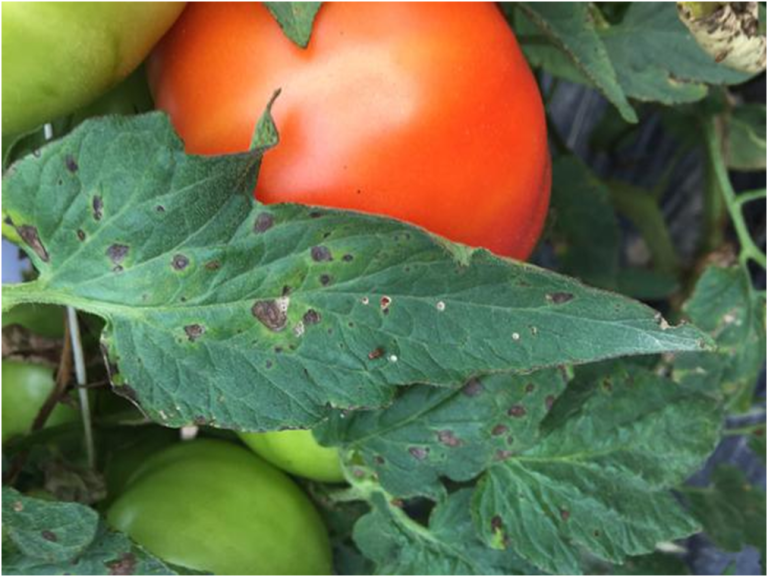
Tomato early blight is a recurring disease risk that can reduce yield stability, fruit quality, and harvest predictability in commercial production.
Effective management depends on preventive IPM strategies, including crop rotation, canopy airflow, drip irrigation, monitoring, and residue control.
For importers and large-scale growers, structured disease management helps support stable tomato supply and long-term production resilience.
June 30, 2026
Global fertilizer trade fell sharply to 41 million tonnes in early 2026, as Middle East supply disruptions, higher input costs, and weaker farm margins reduced market activity.
FAO reported an 18% drop in trade value, with export restrictions from major producers further tightening global fertilizer flows.
A gradual recovery is expected, but supply uncertainty may continue to affect fertilizer availability and the 2026–2027 growing season.
June 30, 2026
A strong El Niño is expected to raise global agricultural risks through 2026–2027, affecting rainfall, temperature patterns, crop yields, and planting decisions.
South and Southeast Asia, Australia, South America, and Africa may face different levels of drought, flooding, pest, and disease pressure.
Growers and agricultural businesses should strengthen climate monitoring, crop planning, and integrated risk management strategies.
June 29, 2026
Global GM crop cultivation reached a record 216 million hectares in 2025, driven by strong expansion in China, Brazil, and emerging African markets.
GM corn showed the fastest crop-level growth, while Ghana’s first commercial GM cowpea planting marked a new step for biotechnology adoption in Africa.
China and Africa are expected to become key growth engines shaping the future of global agricultural biotechnology.
June 29, 2026
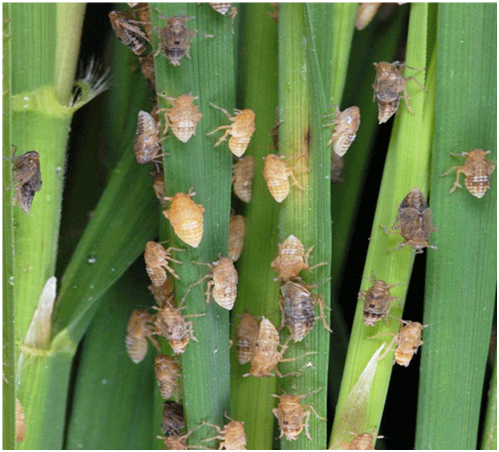
Brown planthopper (Nilaparvata lugens) is a major rice pest that can reduce crop vigor, trigger hopper burn, and transmit serious rice diseases.
Effective management depends on regular monitoring, balanced nutrition, beneficial insect conservation, and resistance-focused IPM strategies.
For commercial rice growers and importers, an integrated program helps protect yield stability, crop quality, and long-term production profitability.