admin

May 27, 2026

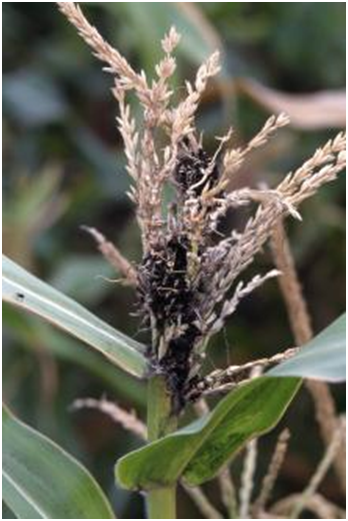
Head smut is emerging as a long-term production risk for commercial corn systems, threatening yield stability, grain quality, and supply reliability. Because infection occurs early and symptoms appear only at reproductive stages, experts emphasize multi-season IPM strategies, including crop rotation, hybrid selection, field hygiene, monitoring, and preventive disease management tools adapted to local regulations.

May 27, 2026

The potential closure of the Strait of Hormuz could trigger a major global agrifood shock, with FAO warning that rising energy and fertilizer costs may drive food prices sharply higher within six to 12 months. Experts urge urgent action to secure alternative trade routes, avoid export restrictions, protect humanitarian food flows, and strengthen resilience before the crisis deepens.

May 15, 2026

A newly registered acaricide, Acynonapyr, brings a novel mode of action to mite management in North America. Approved in Canada on April 30, 2026, for tetranychid mite control on pome fruits such as apples and pears, Acynonapyr is the first active ingredient classified under IRAC Group 33, targeting calcium-activated potassium channels. Its unique neural target site offers growers a valuable new tool for resistance management, sustainable pest control, and improved crop protection.

May 13, 2026

EFSA’s 2024 EU pesticide residue report shows continued high compliance across food products in the EU, Iceland, and Norway. The report found that 98.8% of EU-coordinated samples and 98.2% of national monitoring samples complied with legal residue limits, while consumer health risks from dietary exposure remained low. EFSA also reported separate reinforced import control results, with 3.6% of import samples found non-compliant and blocked from the EU market.

May 12, 2026

Australia plans a A$10 billion fuel and fertilizer security initiative to strengthen supply resilience, expand strategic reserves, and reduce risks from geopolitical tensions and global supply chain disruptions.

May 12, 2026

New plans aim to support British farmers by improving supply resilience to global market shocks and supporting innovation in the fertiliser sector.

April 30, 2026

The Strait of Hormuz conflict is creating major disruption across global fertilizer supply chains, with up to 30% of globally traded fertilizer products at risk as Gulf exports face shipping delays, plant shutdowns, and rising energy costs. The report highlights that the Gulf region supplies 30–35% of global urea exports and 20–30% of ammonia exports, making any prolonged disruption a serious threat to fertilizer availability, crop yields, and food security. Fertilizer prices have already surged, with Middle East granular urea rising above USD 590 per tonne, and global fertilizer prices projected to average 15–20% higher in the first half of 2026 if the crisis continues.

April 30, 2026

U.S. corn farmers are facing growing concern over fertilizer costs and supply availability, according to new NCGA survey findings. While many growers have secured fertilizer for the 2026 crop season, worries are rising sharply for 2027 as global shipping disruptions, tighter fertilizer production, Middle East market volatility, and phosphate trade duties add pressure to supply chains. The report highlights that fertilizer affordability has worsened, with farmers now needing about 185 bushels of corn to buy one ton of urea, the highest level on record.

April 29, 2026

NutriKing Series Launches to Improve Crop Nutrient Efficiency NutriKing is a new crop nutrient regulation platform. Its first product, CropRevita, helps improve root growth, stress resistance, nutrient efficiency, and yield stability under challenging field conditions.