Risk Overview
Common rust is a foliar disease of grain corn that occurs widely across temperate production regions. While generally less destructive than southern rust, sustained cool and humid conditions may increase disease pressure during critical growth stages. For importers and large-scale producers, the primary concern is maintaining canopy stability and grain fill consistency when environmental conditions favor disease development.
Disease Profile
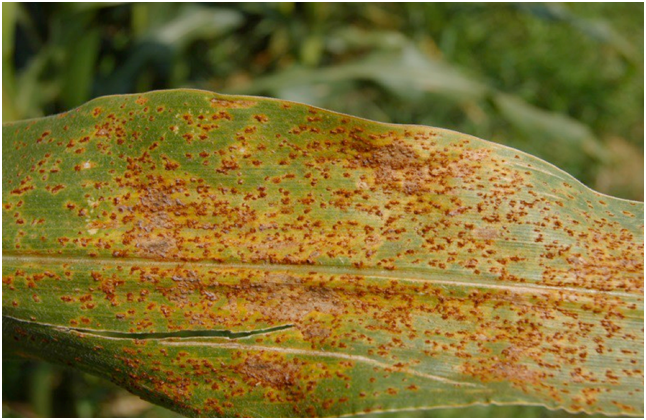
Common rust is caused by the fungal pathogen Puccinia sorghi. The disease primarily affects leaf tissue and produces characteristic pustules on both upper and lower leaf surfaces, which differentiates it from southern rust.
The pathogen spreads through windborne spores and can generate repeated infection cycles when moisture and temperature conditions remain favorable. Disease development is typically associated with cool, moist environments early to mid-season.
Impact on Commercial Production
Yield impact depends largely on infection timing and severity. When disease pressure coincides with early reproductive stages, photosynthetic capacity may be reduced, potentially affecting kernel weight and grain uniformity.
In many regions, common rust remains manageable and does not consistently lead to significant economic loss. However, under extended favorable conditions, disease intensity may increase and introduce variability in production outcomes. For commercial operations, this variability may influence harvest planning, test weight stability, and contract fulfillment consistency.
Integrated Management Approach
Effective management of common rust in commercial grain corn relies on a structured Integrated Pest Management framework that integrates genetic tolerance, monitoring systems, agronomic balance, and selective intervention.
Hybrid Selection: Selecting hybrids with documented tolerance remains a foundational strategy for long-term risk reduction. Partial resistance can limit lesion expansion and reduce the potential for rapid disease escalation.
Monitoring and Risk Assessment: Because common rust development is strongly influenced by environmental conditions, systematic field scouting and regional disease tracking are essential. Management decisions should be based on crop stage, disease progression, and overall yield potential rather than disease presence alone.
Agronomic Considerations: Balanced fertility, optimized plant populations, and canopy management practices that reduce prolonged leaf wetness may contribute to improved crop resilience.
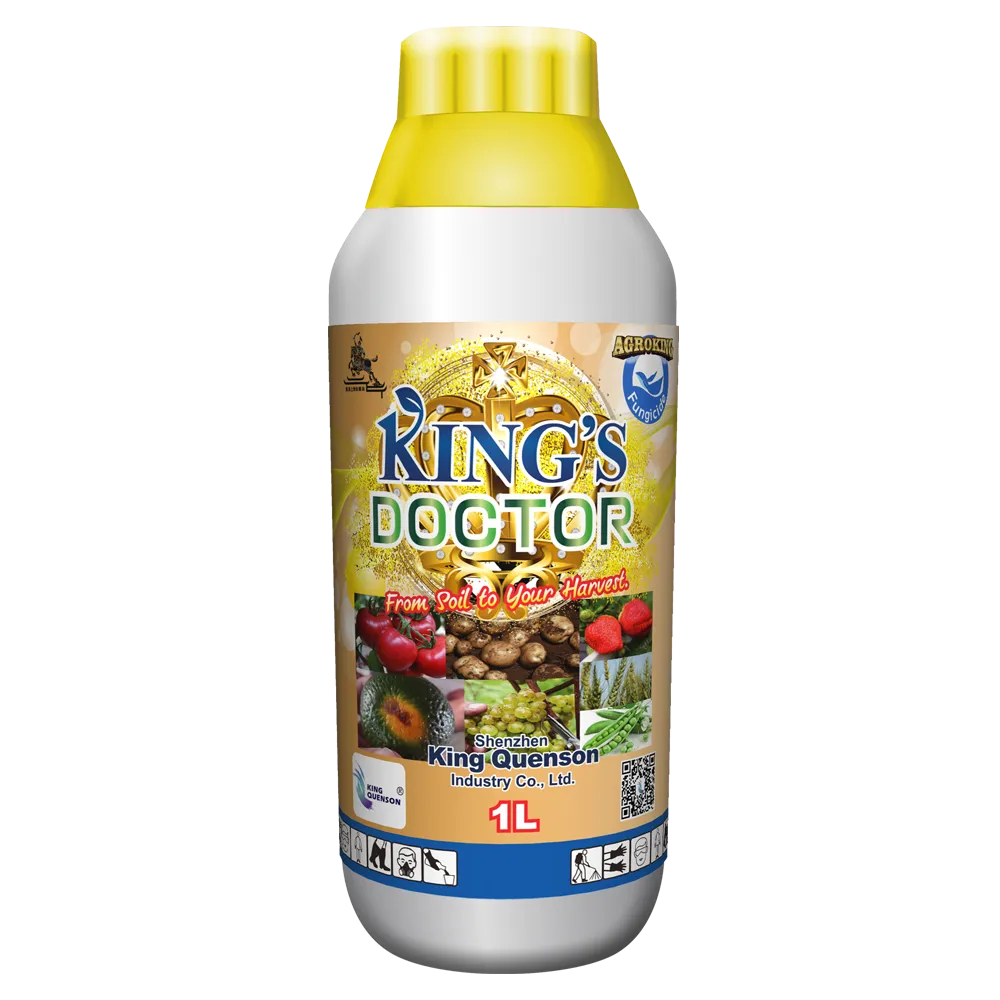
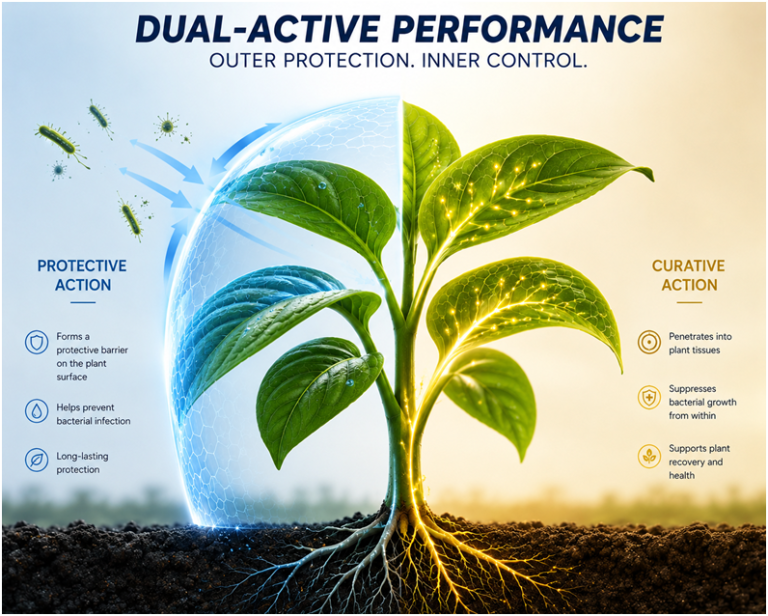
Chemical Control Considerations: Under elevated disease risk and subject to local registration status and approved product labels, fungicides may be integrated as one component of an IPM program. Products such as King’s Doctor and King’s Warrior may be considered as supportive tools in accordance with local regulatory requirements. Chemical measures should complement genetic and agronomic strategies. Rotation among different modes of action and adherence to resistance management principles remain essential to preserve long-term effectiveness.
Importer and Large-Scale Grower Perspective
For importers and large-scale grain corn operations, common rust management is primarily a matter of yield stability and operational predictability. The objective is not eradication, but risk containment within acceptable production thresholds.
Structured monitoring programs, alignment between disease forecasting and supply planning, and disciplined intervention criteria can support more stable procurement volumes and quality outcomes across seasons.
King Quenson Support Statement
King Quenson supports importers and large-scale grain corn operations in developing tailored, compliant common rust management programs based on local production conditions and regulatory requirements.
Disclaimer
This article is based on publicly available agricultural extension materials and general integrated plant protection practices. Management recommendations should be adapted to local conditions and regulations.