Risk Overview
Soybean production systems are exposed to a range of insect pressures that vary across growth stages, environmental conditions, and regional production practices. Rather than occurring as isolated events, insect risks in soybean fields often accumulate progressively throughout the season, interacting with crop vigor, planting patterns, and climatic variability.
From a management perspective, the challenge lies not only in the presence of individual insect species, but in the unpredictability of pressure intensity and timing. In large-scale or multi-field operations, uneven pest development across fields can complicate decision-making, increase operational complexity, and elevate overall production risk.
Insect Characteristics Relevant to Management
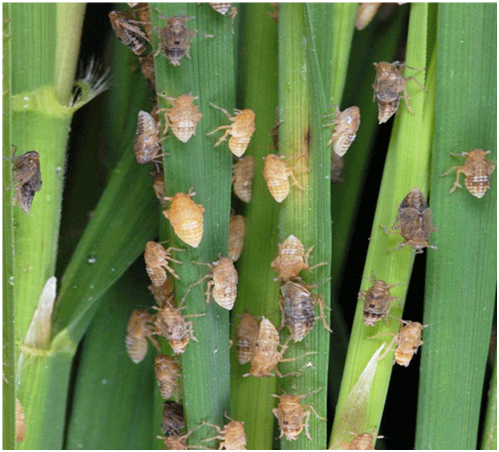
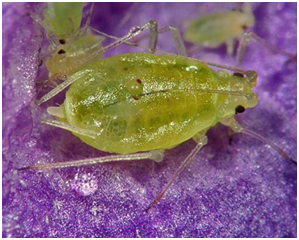
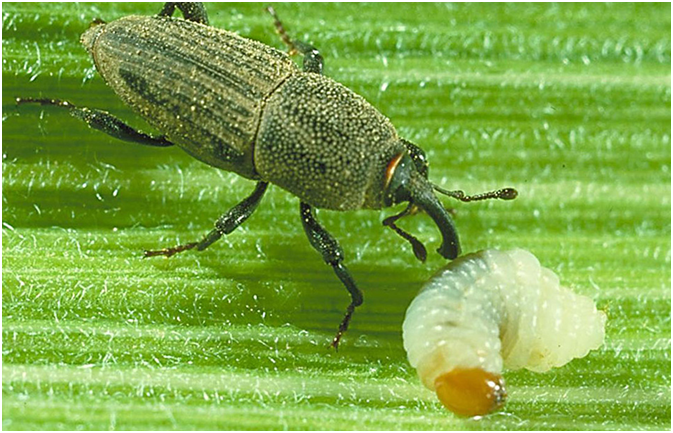
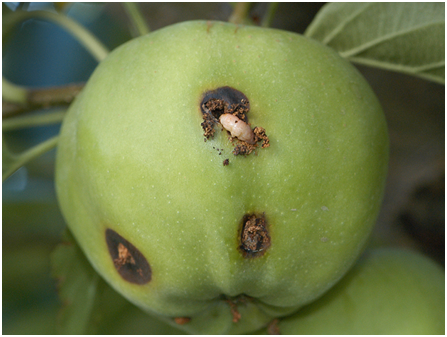
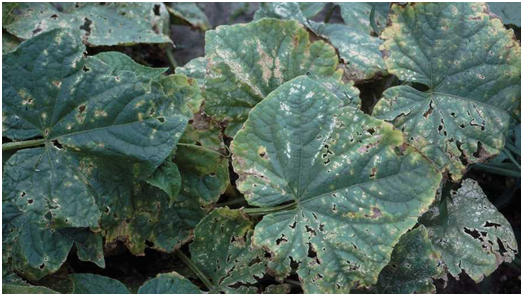
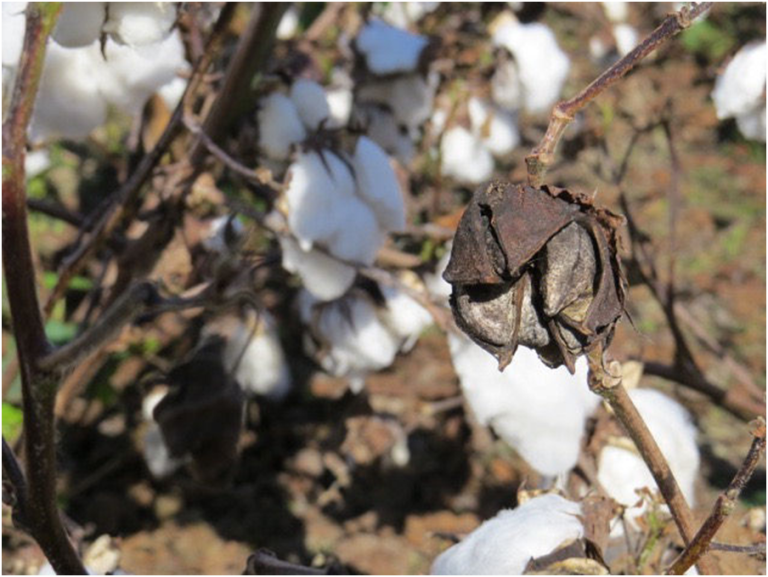
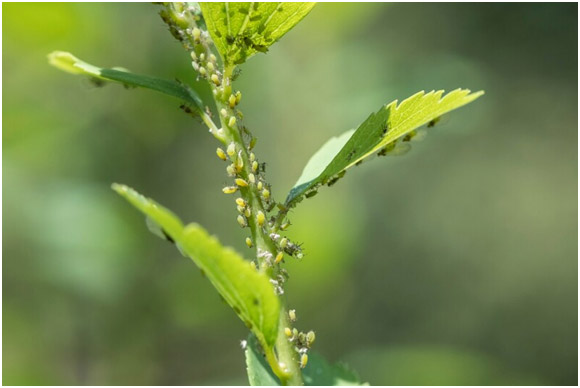
Several insect groups are commonly associated with soybean production systems, including defoliating beetles, sap-feeding insects, and pod-feeding species. While their feeding behaviors differ, these pests share characteristics that elevate management risk, such as rapid population development under favorable conditions and the ability to cause damage at multiple crop stages.
In addition to direct feeding injury, certain insect species may contribute to secondary risks, including stress-related yield loss and increased vulnerability to disease pressure. These characteristics reinforce the need to view soybean insect pressure as a system-level management issue rather than a series of isolated control events.
Impact on Commercial Soybean Production
Sustained or poorly managed insect pressure can lead to uneven crop development, reduced photosynthetic capacity, and compromised yield potential. In commercial soybean systems, these effects are often amplified by scale, where delayed or inconsistent responses across large acreage can translate into measurable yield variability.
Beyond yield impacts, insect pressure may also influence production predictability, input allocation efficiency, and resistance management outcomes over multiple seasons. As such, effective insect risk management plays a critical role in maintaining long-term system resilience and economic stability.
Integrated Management Considerations
Effective soybean insect management is grounded in an integrated approach that emphasizes risk anticipation, system resilience, and adaptive decision-making. Rather than relying on single tools or reactive interventions, integrated strategies focus on combining agronomic practices, monitoring frameworks, and targeted interventions to limit population buildup and economic impact.
Key considerations include maintaining crop vigor to reduce susceptibility to stress-related damage, understanding seasonal risk patterns associated with different insect groups, and preserving flexibility in management responses as pressure levels evolve. Integration across these elements supports more consistent outcomes and reduces dependency on any individual control measure.
Chemical Control Considerations
Within integrated soybean insect management frameworks, chemical control options may be considered as one component of a broader, resistance-aware strategy. The role of chemical tools is to support targeted risk mitigation when insect pressure exceeds acceptable management thresholds, rather than serving as routine or standalone solutions.
Insecticide products such as King’s Tiara and King’s Spike may be positioned within structured management programs where their use aligns with resistance management principles and overall crop protection objectives. Selection and positioning should be informed by prevailing risk profiles and integrated with non-chemical measures to support long-term system stability.
All product references are subject to local registration status and must be used in accordance with approved labels and regulatory requirements.
King Quenson Support Statement
King Quenson is well positioned to support importers and large-scale agricultural operations in developing tailored, compliant soybean insect risk management strategies based on local production conditions and regulatory requirements.
Disclaimer
This article is based on publicly available agricultural extension materials and general integrated plant protection practices. Management approaches should be adapted to local conditions and regulatory requirements.