





January 28, 2026
Risk Overview
Sugarcane is a long-cycle, high-input crop in which biotic stress accumulates over extended production periods. Pest and disease pressure within sugarcane systems rarely develops as isolated events; instead, it evolves progressively, interacting with crop growth stages, environmental conditions, and management decisions across multiple seasons.
From a production systems perspective, unmanaged biotic risk can compromise crop vigor, reduce ratoon longevity, and introduce uncertainty into yield forecasting and harvest planning. These risks are further amplified in intensive production environments where continuous cropping, high planting density, and climatic variability elevate overall pressure levels.
Pest and Disease Characteristics Relevant to Risk Assessment
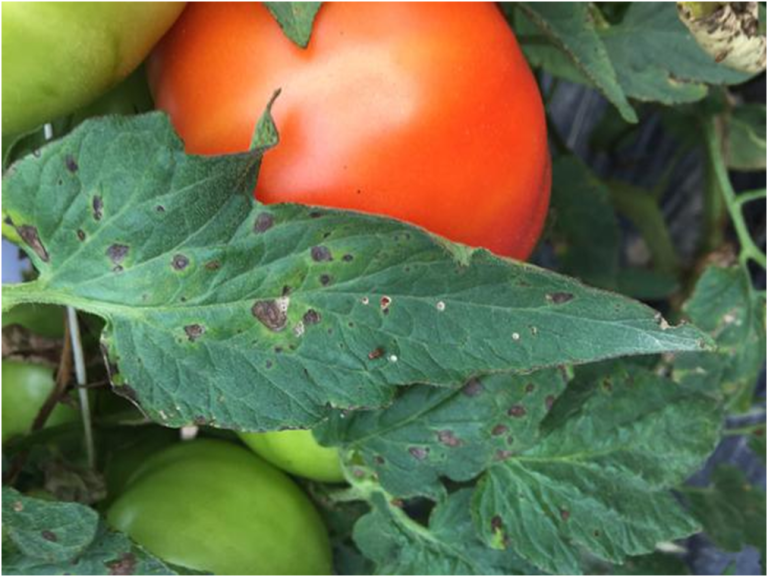
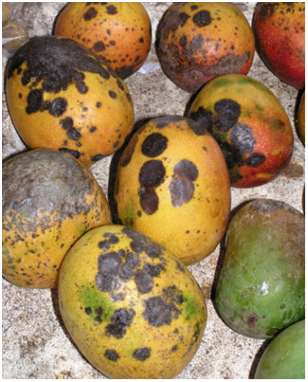
Sugarcane production systems are exposed to a broad spectrum of fungal, bacterial, viral, and insect-related pressures. Many of these challenges share common characteristics, including prolonged exposure windows, gradual progression, and cumulative impacts on crop performance rather than immediate yield loss.
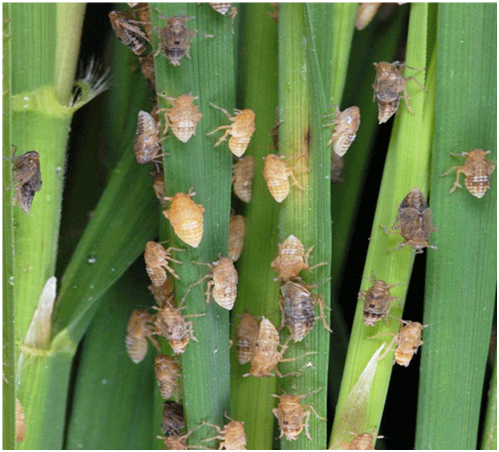
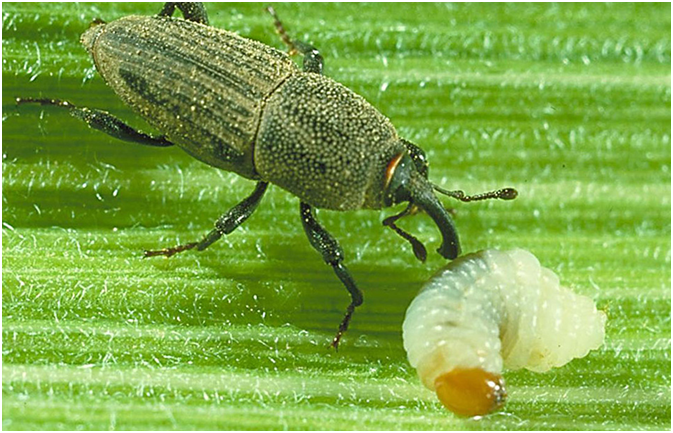
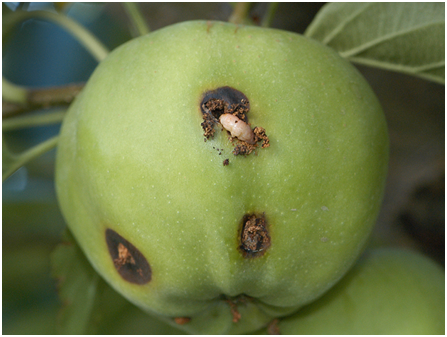
Insect pests contribute not only to direct feeding damage but also to indirect risk through stress amplification and pathogen transmission. Similarly, disease pressure often escalates under favorable environmental conditions, reducing plant resilience and limiting recovery potential once critical thresholds are exceeded. From a management standpoint, the primary challenge lies in understanding how overlapping pest and disease pressures interact to shape overall system risk across production cycles.
Impact on Commercial Sugarcane Production
Sustained pest and disease pressure can result in reduced biomass accumulation, uneven cane development, and declining sugar recovery. Over time, these impacts erode yield consistency and shorten ratoon lifespan, directly affecting the economic sustainability of sugarcane production systems.
Beyond field-level performance, biotic stress introduces additional operational complexity across the production chain. Variability in crop performance complicates harvest scheduling, processing efficiency, and supply commitments, increasing cost volatility and management uncertainty at scale.
Integrated Risk Management Considerations
Effective management of biotic risk in sugarcane production systems requires a shift from reactive intervention toward proactive system design. Rather than relying on isolated control measures, resilient systems integrate agronomic planning, environmental awareness, and selective use of available tools within a broader risk management framework.
Key considerations include long-term pressure monitoring, preservation of management flexibility, and alignment of pest and disease management strategies with production objectives. Emphasis on integration reduces reliance on any single approach and supports more predictable outcomes under variable production conditions.
Chemical Control Considerations
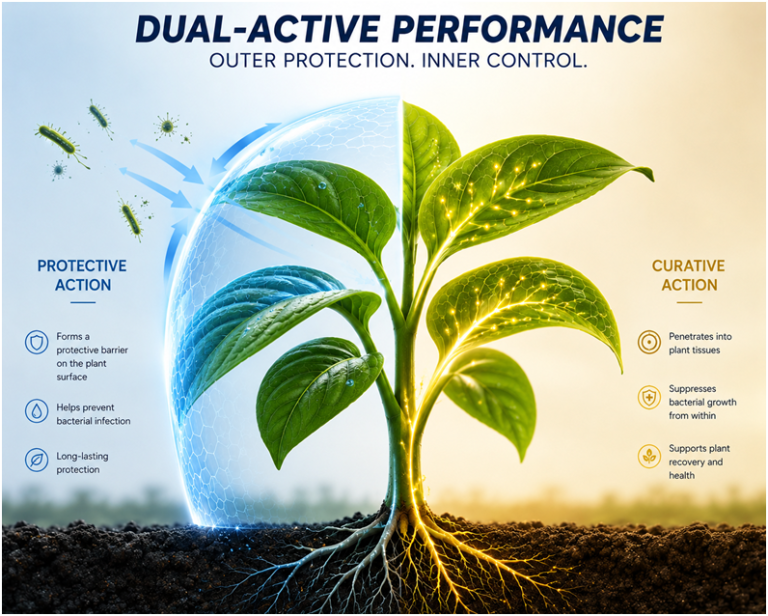
Within sugarcane production systems, chemical solutions may be evaluated as one component of a broader pest and disease risk management framework, particularly in regions where disease and insect pressure persists across growing cycles. From a management perspective, the role of chemical inputs is to support overall system stability and mitigate accumulated risk rather than to function as isolated corrective actions.
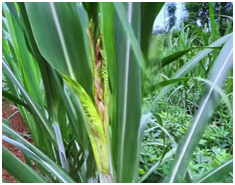
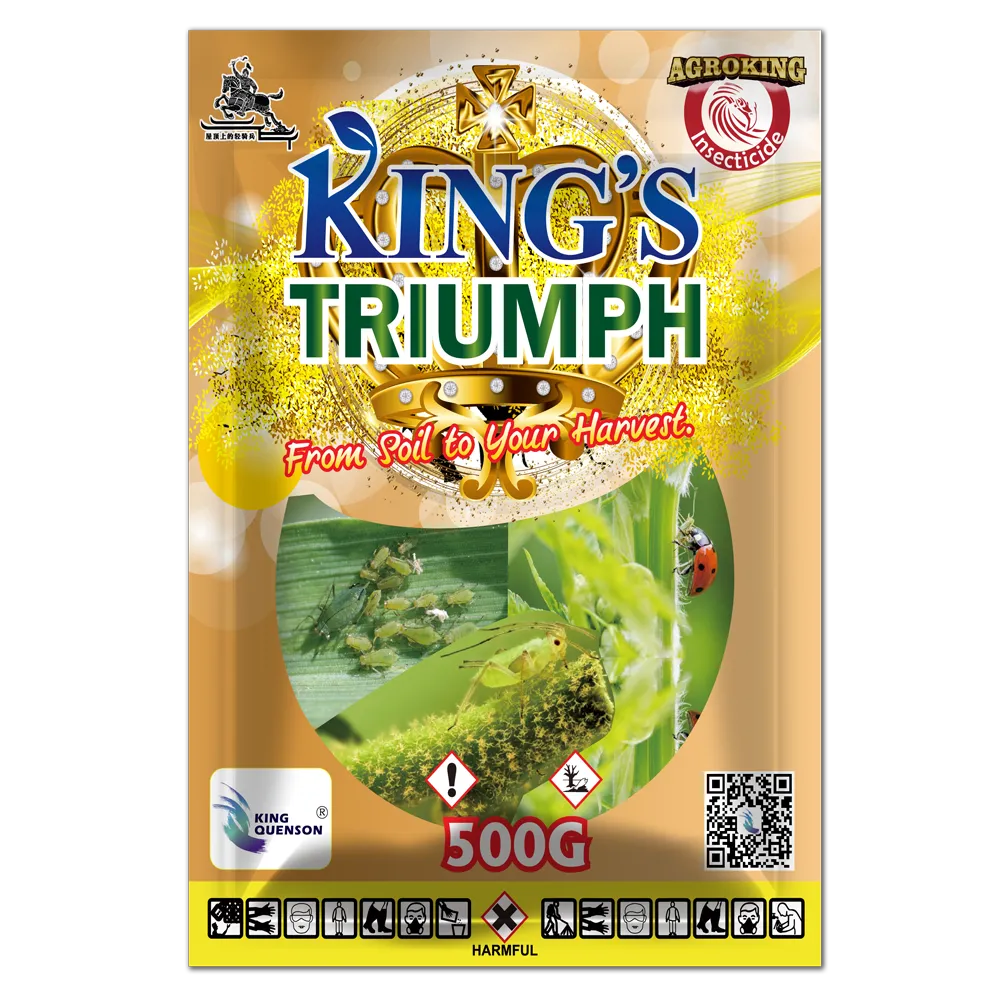
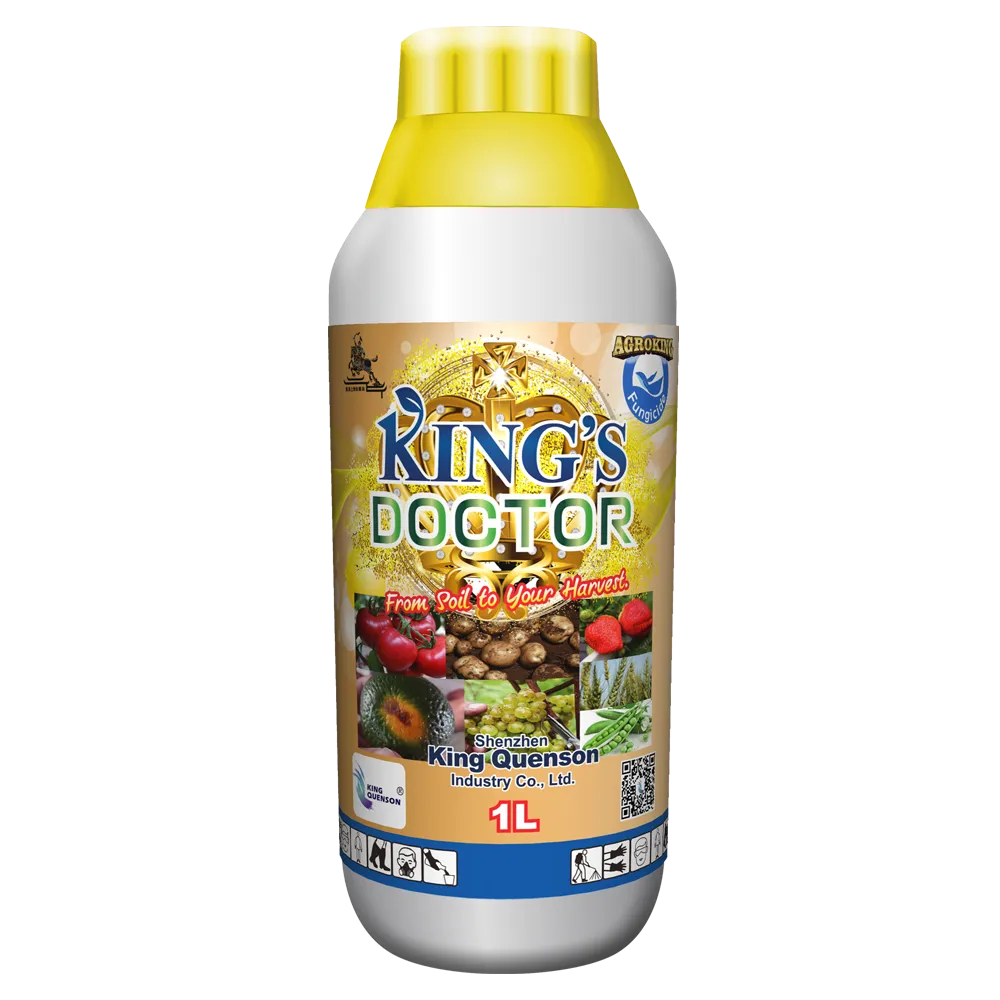
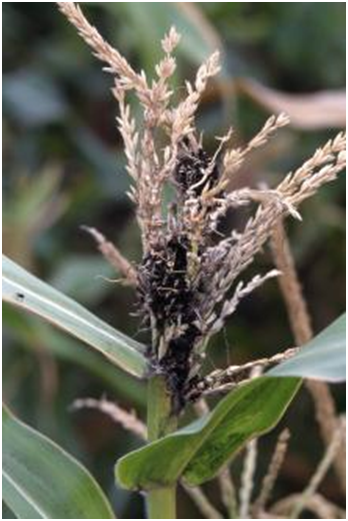
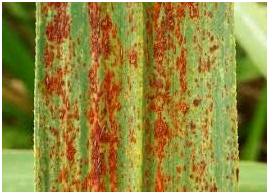
In the context of disease pressure management, fungicide options such as King’s Doctor, King’s Warrior, King’s Care, and King’s Triumph may be positioned within structured chemical disease management programs addressing sugarcane disease pressure contexts, including rust, brown stripe, top rot, and smut. These products are typically considered alongside nutritional support tools such as King’s Landing NutriFe, where compatibility with broader crop management objectives is required.
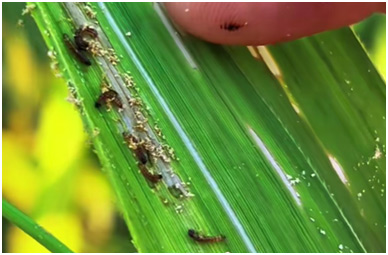
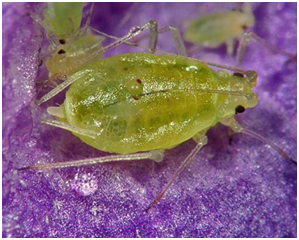
For insect-related risk scenarios, insecticide solutions including King’s Archer, King’s Phoenix, King’s Maestro and King’s Siege may be evaluated within sugarcane borer, aphid, thrips, and scale insect pressure contexts. Their strategic value lies in contributing to targeted risk mitigation within integrated management frameworks, rather than serving as standalone interventions.

Selection and positioning of these chemical options are generally informed by prevailing pest and disease profiles, pressure intensity, and long-term system considerations, ensuring alignment with sustainable production objectives and resistance stewardship principles.
All product references are subject to local registration status and must be applied in accordance with approved local labels and regulatory requirements.
King Quenson Support Statement
King Quenson is well positioned to support agricultural stakeholders in developing tailored, compliant pest and disease risk management strategies for sugarcane production, based on local conditions, regulatory requirements, and long-term production objectives.
Disclaimer
This article is based on publicly available agricultural extension materials and general integrated plant protection practices. Management approaches should be adapted to local conditions and regulatory requirements.
