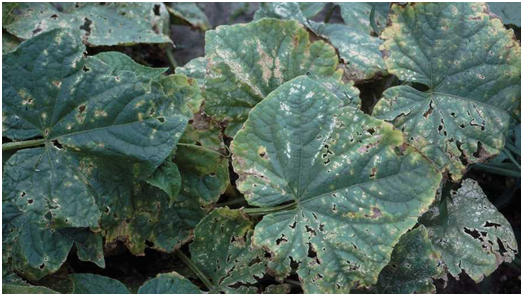
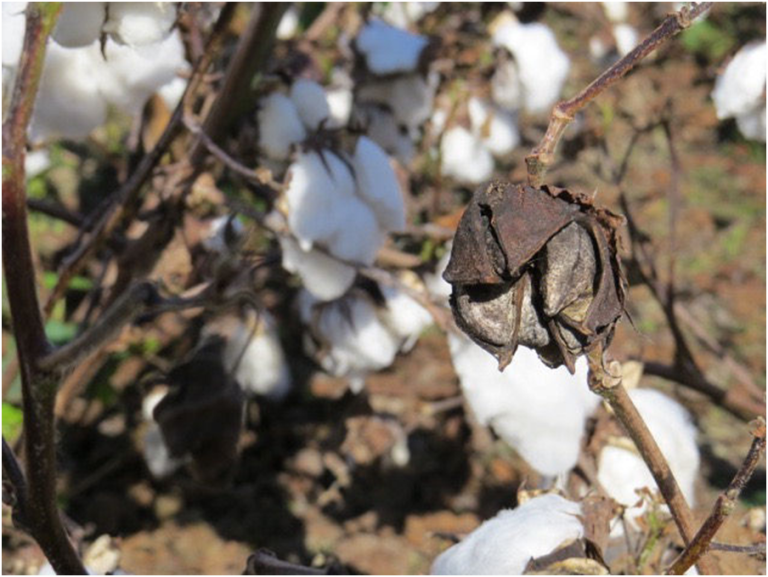
Risk Overview
Nematode pressure is a widespread challenge across many cropping systems, often developing belowground and remaining undetected until plant performance begins to decline. Unlike foliar pests or visible diseases, nematode-related damage typically progresses gradually, making early risk recognition and strategic planning essential for effective management.
From a production management perspective, nematode pressure is rarely uniform across fields or seasons. Variability in soil type, cropping history, moisture conditions, and cultivation practices can create uneven risk profiles within the same production operation. This heterogeneity increases decision-making complexity, particularly for large-scale or multi-field systems where localized pressure can translate into broader yield variability and economic uncertainty.
Nematode Characteristics Relevant to Management
Plant-parasitic nematodes affect crops primarily through interactions with root systems, where they interfere with nutrient and water uptake and weaken overall plant vigor. Their impact is closely linked to root health, soil structure, and the biological balance of the rhizosphere.
Rather than acting as acute stressors, nematodes often function as chronic pressure factors. Sustained populations can predispose crops to secondary stresses, including nutrient imbalance and increased susceptibility to other soil-borne challenges. These characteristics underscore the importance of addressing nematode pressure as a system-level risk rather than a problem defined by isolated symptoms or single-season outcomes.
Impact on Commercial Crop Production
In commercial production systems, unmanaged nematode pressure can lead to uneven crop establishment, reduced root efficiency, and inconsistent canopy development. These effects directly influence yield potential, input use efficiency, and harvest predictability.
Over multiple production cycles, persistent nematode pressure may also contribute to declining soil productivity and reduced responsiveness to fertilization and irrigation inputs. For import-oriented supply chains and large-scale growers, such cumulative impacts can affect long-term return on investment and complicate strategic planning at the field and portfolio levels.
Integrated Management Approach
Effective nematode risk management relies on an integrated framework that emphasizes prevention, system resilience, and adaptive decision-making. Rather than focusing on reactive interventions, management strategies should prioritize understanding field-specific risk drivers and aligning multiple complementary measures to limit population buildup and root-zone stress.
Key management considerations include maintaining balanced soil conditions that support root recovery, reducing factors that favor nematode population persistence, and integrating biological, agronomic, and chemical tools within a coherent long-term strategy. An integrated approach helps distribute management pressure across multiple mechanisms, reducing reliance on any single intervention and supporting more stable production outcomes.
Chemical Control Considerations
Within integrated nematode management frameworks, nematicidal products may be considered as one component of a broader risk mitigation strategy. The role of chemical tools is to support targeted management decisions where nematode pressure threatens root function and overall crop performance, rather than serving as routine or standalone solutions.
Products such as King’s Landing TerraBoost and King’s Nema Off may be positioned within structured management programs to support root-zone recovery and nematode pressure management, subject to local registration status and regulatory requirements. Selection and positioning should align with resistance management principles and be integrated with non-chemical measures to support long-term system stability.
King Quenson Support Statement
King Quenson is well positioned to support importers and large-scale agricultural operations in developing tailored, compliant nematode risk management strategies based on local production conditions and regulatory requirements.
Disclaimer
This article is based on publicly available agricultural extension materials and general integrated plant protection practices. Management recommendations should be adapted to local conditions and regulations.