Jul
01
2026
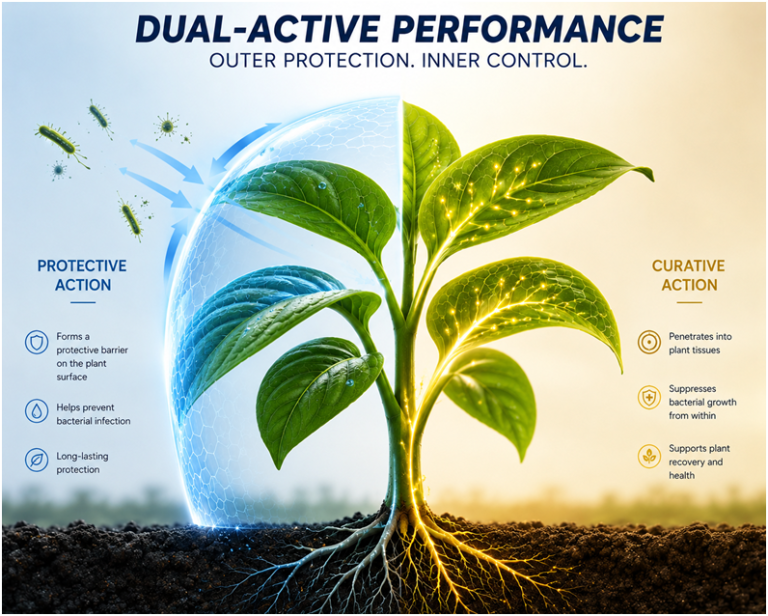
King’s Oxishield offers dual-action bacterial disease management with Oxine Copper and Kasugamycin.
It protects leaf surfaces while suppressing bacterial activity inside plant tissues.
A reliable solution for citrus canker, tomato bacterial spot, and sustainable crop protection.
Jun
30
2026
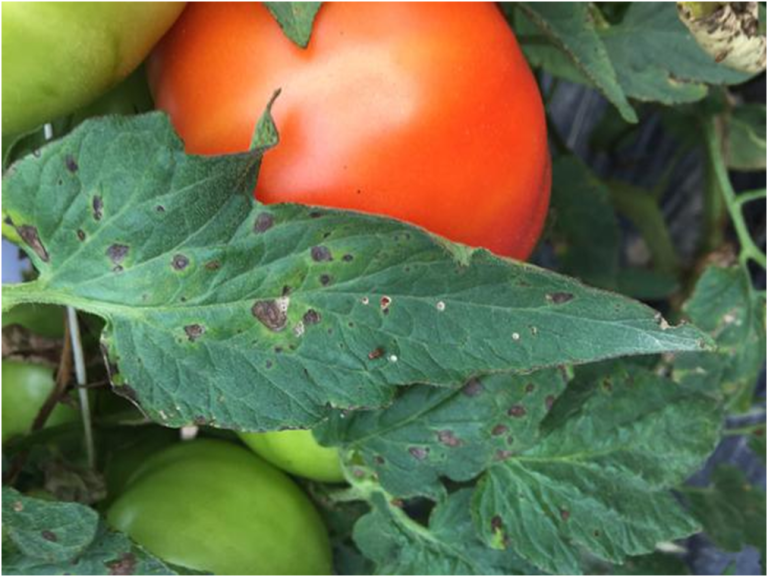
Tomato early blight is a recurring disease risk that can reduce yield stability, fruit quality, and harvest predictability in commercial production.
Effective management depends on preventive IPM strategies, including crop rotation, canopy airflow, drip irrigation, monitoring, and residue control.
For importers and large-scale growers, structured disease management helps support stable tomato supply and long-term production resilience.
Jun
29
2026
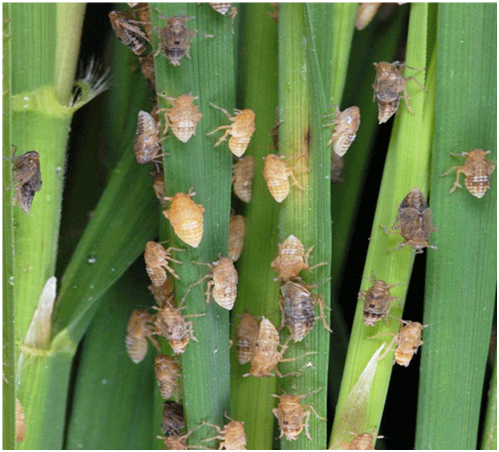
Brown planthopper (Nilaparvata lugens) is a major rice pest that can reduce crop vigor, trigger hopper burn, and transmit serious rice diseases.
Effective management depends on regular monitoring, balanced nutrition, beneficial insect conservation, and resistance-focused IPM strategies.
For commercial rice growers and importers, an integrated program helps protect yield stability, crop quality, and long-term production profitability.
Jun
26
2026
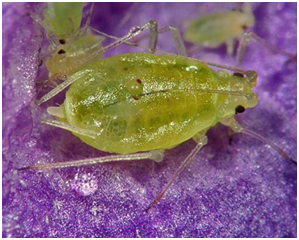
Green peach aphid (Myzus persicae) is a major global pest threatening potatoes, peppers, brassicas, stone fruits and tobacco through direct feeding and virus transmission.
Effective control requires early monitoring, cultural practices, biological control and careful insecticide rotation to manage resistance.
A structured IPM program helps large-scale growers and importers reduce crop losses and protect long-term production stability.
Jun
10
2026
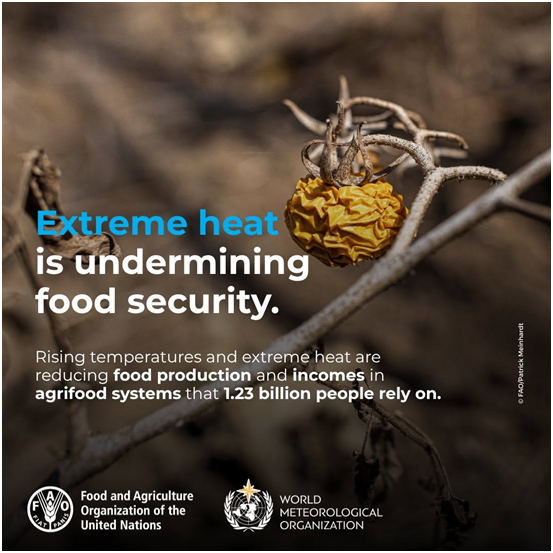
A new FAO–WMO report warns that extreme heat is becoming a major challenge for global agriculture, threatening crop yields, livestock productivity, rural livelihoods, and food supply stability. As heatwaves intensify and compound risks such as drought, pests, diseases, and wildfires increase, building agricultural resilience is becoming as critical as boosting productivity.
May
29
2026
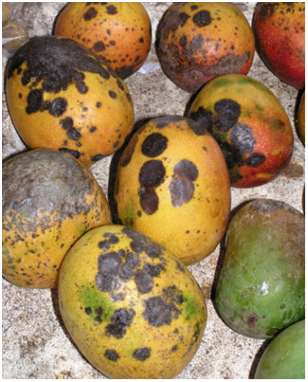
Mango anthracnose is a major disease affecting fruit yield, quality, shelf life, and marketability, especially in warm, humid production regions. Effective control requires an integrated approach, including orchard sanitation, canopy pruning, tolerant varieties, biological control, and well-timed fungicide programs.