Blog Layout 3

Jun
30
2026
A strong El Niño is expected to raise global agricultural risks through 2026–2027, affecting rainfall, temperature patterns, crop yields, and planting decisions. South and Southeast Asia, Australia, South America, and Africa may face different levels of drought, flooding, pest, and disease pressure. Growers and agricultural businesses should strengthen climate monitoring, crop planning, and integrated risk management strategies.
Jun
29
2026
Global GM crop cultivation reached a record 216 million hectares in 2025, driven by strong expansion in China, Brazil, and emerging African markets. GM corn showed the fastest crop-level growth, while Ghana’s first commercial GM cowpea planting marked a new step for biotechnology adoption in Africa. China and Africa are expected to become key growth engines shaping the future of global agricultural biotechnology.
Jun
29
2026
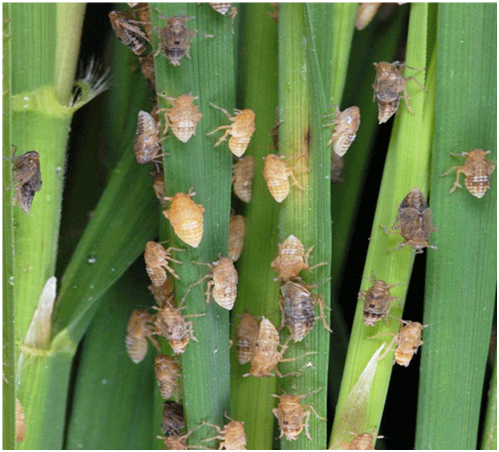
Brown planthopper (Nilaparvata lugens) is a major rice pest that can reduce crop vigor, trigger hopper burn, and transmit serious rice diseases. Effective management depends on regular monitoring, balanced nutrition, beneficial insect conservation, and resistance-focused IPM strategies. For commercial rice growers and importers, an integrated program helps protect yield stability, crop quality, and long-term production profitability.
Jun
26
2026
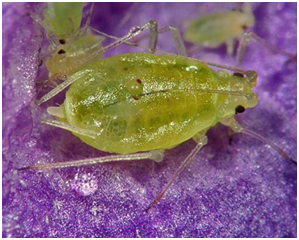
Green peach aphid (Myzus persicae) is a major global pest threatening potatoes, peppers, brassicas, stone fruits and tobacco through direct feeding and virus transmission. Effective control requires early monitoring, cultural practices, biological control and careful insecticide rotation to manage resistance. A structured IPM program helps large-scale growers and importers reduce crop losses and protect long-term production stability.
Jun
11
2026
Global food prices edged down 0.2% in May as vegetable oil prices fell, but the FAO index stayed near its highest level since January 2023. Cereal and sugar prices rose sharply, keeping overall food costs 2.9% above a year earlier.
Jun
10
2026
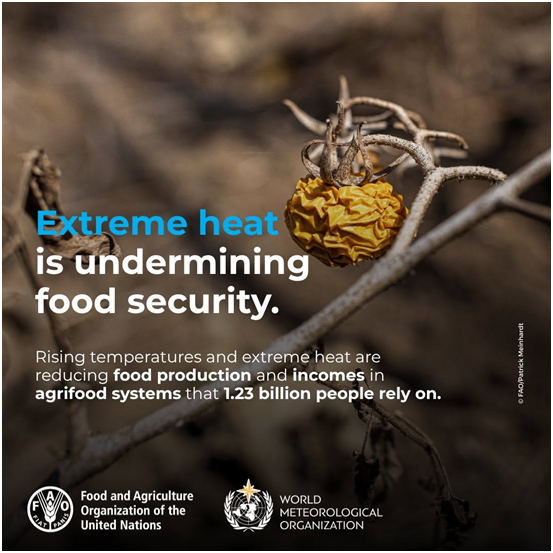
A new FAO–WMO report warns that extreme heat is becoming a major challenge for global agriculture, threatening crop yields, livestock productivity, rural livelihoods, and food supply stability. As heatwaves intensify and compound risks such as drought, pests, diseases, and wildfires increase, building agricultural resilience is becoming as critical as boosting productivity.