
Cotton
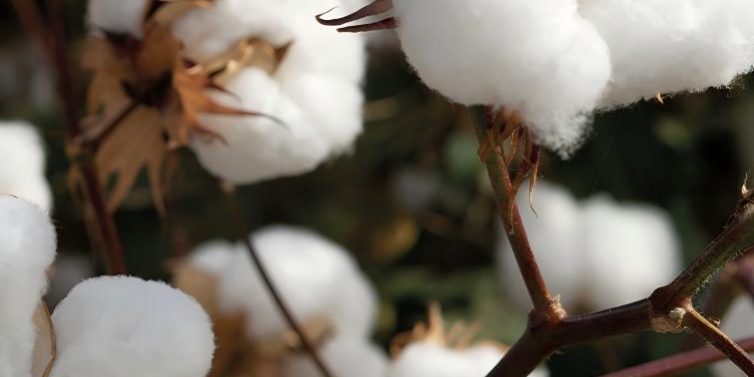
Cotton (Gossypium spp.) is a strategic fiber and oilseed crop that underpins global textile, apparel, and industrial supply chains. Its performance is tightly linked to root-zone health, soil structure, nutrient mobility, and early-season vegetative vigor, which determine stand establishment, boll retention, lint quality, and final gin-out ratios. Production outcomes also rely on environmental stability—heat units, humidity balance, and water-use efficiency—all of which shape fiber length, strength, and micronaire.
However, cotton systems are increasingly exposed to structural pressures. Major pest complexes (bollworm, whitefly, aphid, mites), along with soil fatigue, salinity, declining organic matter, and rising climate fluctuations—heat bursts, drought spells, and erratic monsoon timing—can disrupt canopy development, reduce boll load, and depress both yield and fiber quality. These risks compound across seasons, weakening long-term field productivity and ROI.
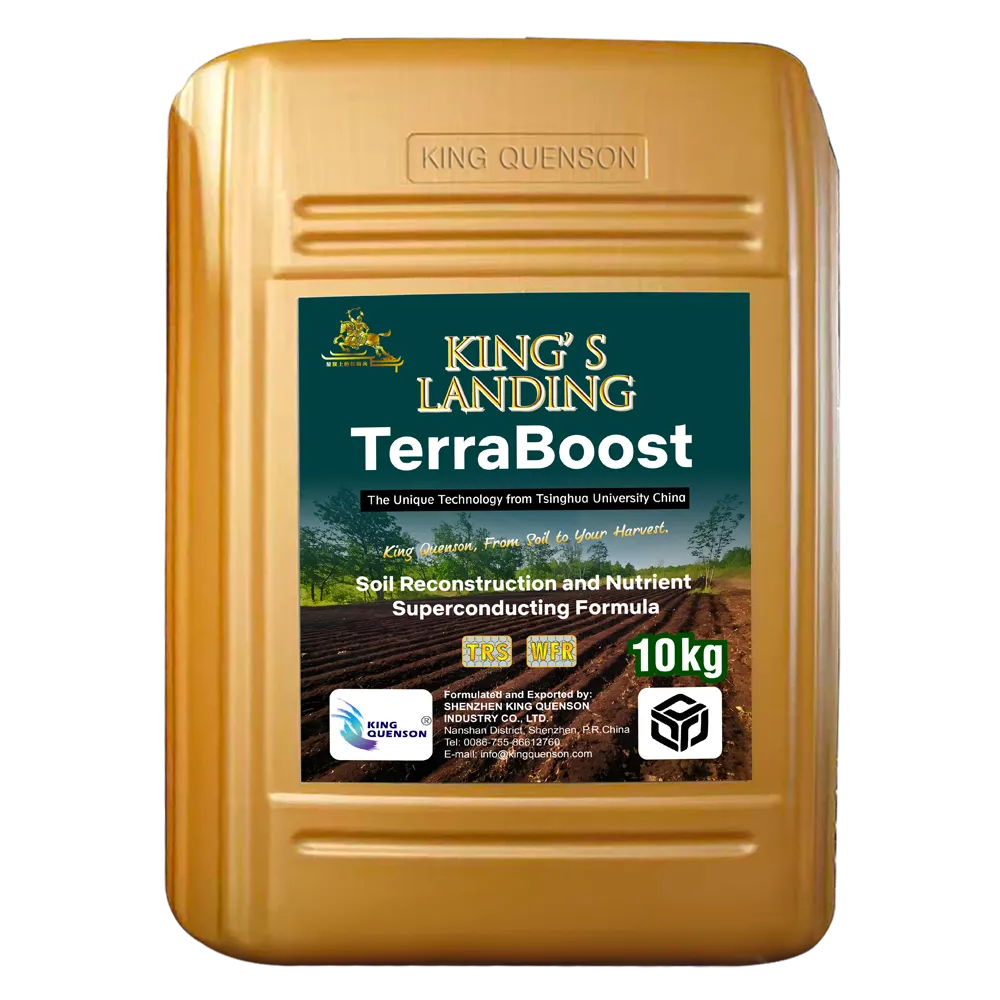
By integrating precision nutrition and rhizosphere activation, cotton growers can reinforce plant resilience, improve boll set uniformity, and stabilize lint quality. In this context, King’s Landing TerraBoost, RootRevive, and NutriFe enhance soil activation, nutrient efficiency, and stress tolerance, enabling cotton fields to achieve more reliable yields, stronger plant performance, and improved quality-based margins.
Related News
February 25, 2026
February 9, 2026